


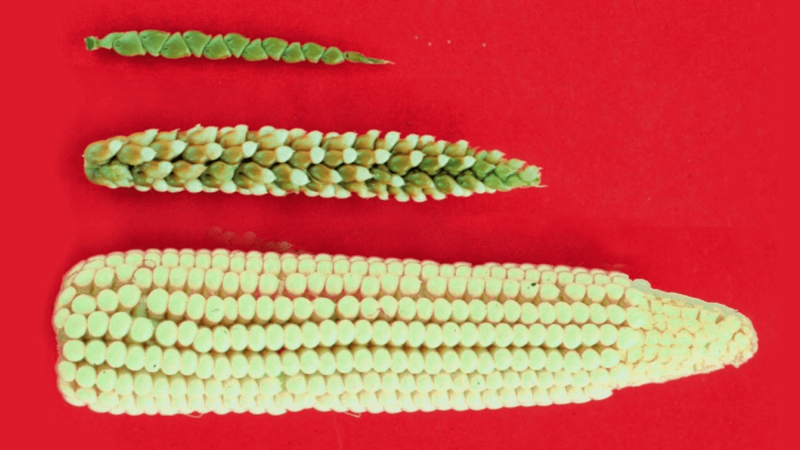
Creative destruction in the plant breeding sector involves innovations that significantly disrupt traditional practices, leading to the decline or transformation of existing methods, products, or industries.
…
3. Traditional Genetic Modification vs. CRISPR and Gene Editing
Before: GMOs were developed through the insertion of foreign genes into a plant’s genome, a process that was often met with public resistance and regulatory challenges.

Disruption: The advent of CRISPR-Cas9 and other gene-editing technologies in the 2010s allowed for precise, targeted changes to a plant’s own DNA without the introduction of foreign genes. This technology can quickly develop crops with desired traits, such as disease resistance or improved nutritional content.
Impact: CRISPR has the potential to overshadow traditional genetic modification techniques by being more efficient, less costly, and more acceptable to the public and regulators. This has opened new possibilities for innovation in plant breeding, potentially reducing the dominance of earlier GMO technologies.















