Viewpoint: Here’s why we need a globalized regulatory standard for gene-edited crops

Seed-Banking-feat

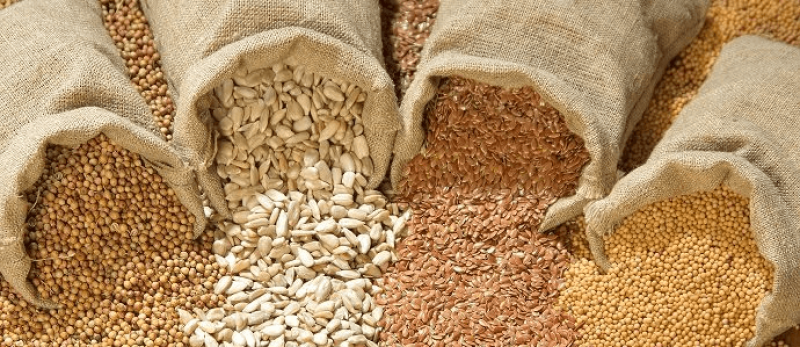
International Seed Federation members are calling for harmonised regulations on new breeding technologies such as genome editing to accelerate impactful innovation.

“It is critical that regulations applicable to plant breeding innovation are risk proportionate, science-based, and adaptable to reflect evolving scientific knowledge as well as the application of that knowledge,” an ISF spokesperson told AgTechNavigator.

The group believes that consistent regulatory policies will “motivate continued research and incentivise plant breeders to continue developing the best plant varieties using all the tools available to them for the benefit of farmers and society at large”.

Follow the latest news and policy debates on sustainable agriculture, biomedicine, and other ‘disruptive’ innovations. Subscribe to our newsletter.

Via technologies such as CRISPR and genome editing, plant breeders are creating a new population of plants for breeding, the ISF said. In 10-20 years, this new technology will significantly speed up the breeding processes and expand product portfolios to meet needs related to climate change and food security. It will “produce more crops on less land and using less water and fertilisers”. This will include drought-resistant fruits and vegetables and consumer friendly products like non-browning lettuce and pit-less cherries and fruits, which also help reduce food waste.


This is an excerpt. Read the original post here

{{ reviewsTotal }}{{ options.labels.singularReviewCountLabel }}
{{ reviewsTotal }}{{ options.labels.pluralReviewCountLabel }}
{{ options.labels.newReviewButton }}
{{ userData.canReview.message }}

Related Articles

Infographic: Global regulatory and health research agencies on whether glyphosate causes cancer

Infographic: Global regulatory and health research agencies on whether glyphosate causes cancer

Does glyphosate—the world's most heavily-used herbicide—pose serious harm to humans? Is it carcinogenic? Those issues are of both legal and ...

Most Popular

Screenshot-2026-05-01-at-1.29.41-PM
Viewpoint: What happens when whole grains meet modern food manufacturing? Labels don’t tell the whole story.
S
As vaccine rejectionism spreads, measles may be taking a more dangerous turn
Screenshot 2026-05-06 at 2.56
Singularity crisis ahead? Can super babies save us from rogue AI geniuses?
Screenshot-2026-05-06-at-2.07.43-PM
Manufacturing a conspiracy: The timeline of how  the White House embraced the fringe claim that scientists are being mysteriously murdered
Screenshot-2026-04-20-at-2.26.27-PM
Viewpoint — Food-fear world: The latest activist scientists campaign: Cancer-causing additives
Screenshot-2026-03-13-at-12.14.04-PM
The FDA wants to make many popular prescription drugs OTC—a great idea. Here’s why it’s unlikely to happen
Screenshot-2026-04-30-at-2.19.37-PM
5 myths about summer dehydration that could damage your health — or even kill you
ChatGPT-Image-May-6-2026-03_41_05-PM
‘Protecting the integrity of science’: Kennedy’s FDA blocks release of taxpayer-funded studies finding COVID and shingles vaccines safe
Screenshot-2026-05-01-at-11.56.24-AM
‘Science moves forward when people are willing to think differently’: Memories of DNA maverick Craig Venter
Screenshot 2026-05-06 at 12.49
Immortal dragons: The quest to ‘make death optional’
glp menu logo outlined

Get news on human & agricultural genetics and biotechnology delivered to your inbox.