


Oliver Morrison

Viewpoint: With lower yields, the future of organic farming is endangered. It needs biotechnology
The EU should allow gene editing to make organic farming more sustainable, researchers say. To achieve the European Green Deal’s ...

Threatened by warming temperatures, wineries may be forced to turn to gene editing
Warmer temperatures are advancing grape ripening and harvest dates by 2-3 weeks compared to 40 years ago. Higher temperatures are ...

Viewpoint: Here’s why we need a globalized regulatory standard for gene-edited crops
International Seed Federation members are calling for harmonised regulations on new breeding technologies such as genome editing to accelerate impactful ...

Bayer tackles vitamin D deficiency with gene-edited tomatoes, enhanced lettuce greens
Stressing its belief in the power of cutting-edge technology to address pervasive nutrition problems, the agribusiness giant Bayer has revealed ...
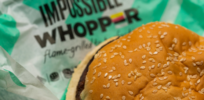
As plant-based protein demand grows, roadblocks limit scaling up: Price, regulation, nutrition and more
In recent years consumer demand for plant-based protein has often outpaced the industry's supply chain capabilities. And as the alternative ...

Nutrition, productivity, climate adaptability: Surge in African crop biotechnology research poised to address malnutrition and food security
Scientists are using genomics to tackle malnutrition in Africa and more. The African Orphan Crops Consortium (AOCC), founded in 2011, ...

Lab-grown oysters? Here’s why seafood of the future will be cell-based and sustainable
Pearlita Foods has set out to make the first cultivated oyster meat. Its mission is to “harvest the ocean's finest ...

The world’s most popular banana variety is under threat of extinction — and genetic engineering solutions are blocked. Here are alternatives.
Since the 1990s a new strain of the fungus TR1 (or panama disease), which wiped out the Gros Michel banana ...
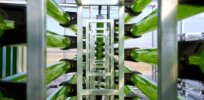
Most plant-based proteins are made from soy. From microalgae to fermented fungi, these surprising sources are bringing us the faux meat of the future
What will take on the ubiquitous soy and pea? As well as chickpea, other plant proteins have come to the ...

Cow methane ‘burps’ are one of the largest contributors to carbon emissions. Could bovine genetic selection reduce climate change impacts?
Using genetics… scientists have isolated the gene in cattle which causes excess methane production. Through selective breeding, it claims this ...

‘Compassionate caviar?’ Cell-based fish egg technology could make an exclusive food accessible to everyone — and reduce our carbon footprint
Caviar is renowned as an exclusive luxury typically only enjoyed by champagne-swilling elites in five-star suites or on-board first-class flights ...

‘Cell-based fish is a logical answer’: With improved nutrition and lower CO2 emissions, cultivated fish can sustainably satiate our growing appetite for seafood
[Berlin-based startup Bluu Biosciences] claims that producing cell-based fish without harming the ecosystem and at competitive prices can make a ...

Consumers may pay more for lab-grown meat once told about its perceived benefits
A study at Maastricht University claims people are prepared to pay more for lab-grown meat after being told of its ...

Can the ‘trendy’ microbiome diet ease consumer fear of GMOs?
The acceptance of the trendy microbiome diet among consumers has put wind in the sails of ag-biotech start up Joyn ...
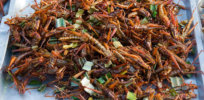
‘Edible insects’ boost food sustainability, but will consumers eat BBQ-flavored bugs?
There is an increasing range of insect-based products, such as whole/flour, snacks, health bars, pasta, pasta sauce and burgers. Edible ...