
The EU should allow gene editing to make organic farming more sustainable, researchers say.
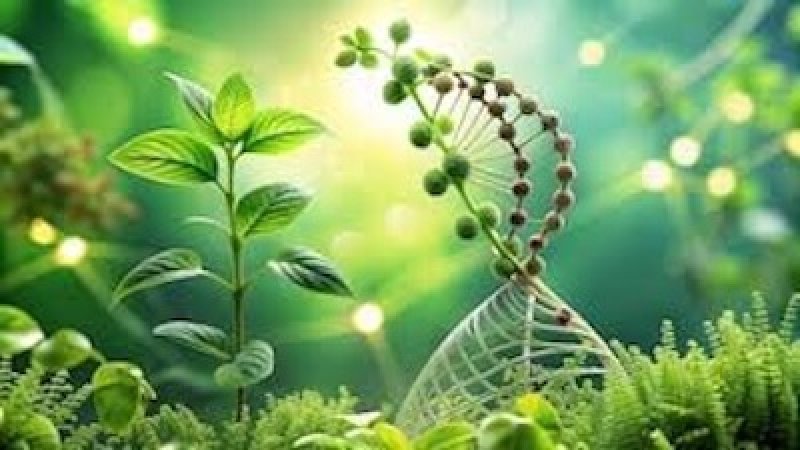
To achieve the European Green Deal’s goal of 25% organic agriculture by 2030, researchers argue that new genomic techniques (NGTs) should be allowed without pre-market authorisation in organic as well as conventional food production. NGTs, also known as gene editing, are classified under the umbrella of GMOs, but they involve more subtle genetic tweaks.
…
“This is an excellent opportunity to modernise European agriculture, to make it more science based, and to support the goal of improving sustainability inside the European Union,” said first author Alexandra Molitorisová, a food law researcher at the University of Bayreuth.
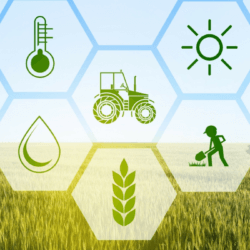
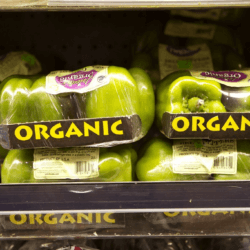

Currently, 10% of EU farming areas are organic. Though organic farming can reduce carbon emissions and pollution from fertiliser and pesticides, Molitorisová’s team says that these benefits could be negated by biodiversity losses due to expanding agricultural land, since organic agriculture requires more land to grow the same amount of food.
“The target of 25% organic land is unlikely to ensure sustainable food production in the EU if modern biotechnology, such as NGTs, is excluded from organic farming,” said Molitorisová.