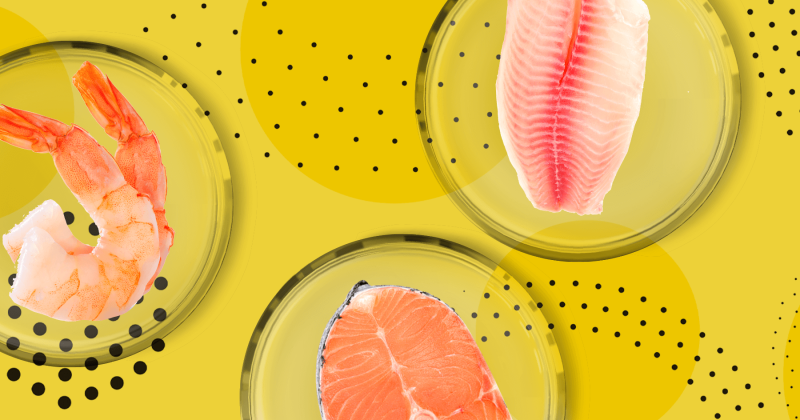
‘Cell-based fish is a logical answer’: With improved nutrition and lower CO2 emissions, cultivated fish can sustainably satiate our growing appetite for seafood

Credit: Restaurant Business
[Berlin-based startup Bluu Biosciences] claims that producing cell-based fish without harming the ecosystem and at competitive prices can make a critical contribution to global animal protein supply security in the future.

Other advantages of cultivated fish, it says, include its high nutritional value, the absence of pollutants, its availability even in places without access to the sea and the associated short supply chains.

It claims the production process is resource-friendly and has a significantly lower CO2​ footprint as well as water and energy consumption compared to the conventional fish processing industry.


Follow the latest news and policy debates on sustainable agriculture, biomedicine, and other ‘disruptive’ innovations. Subscribe to our newsletter.
[Dr Sebastian Rakers, co-founder and managing director of Bluu Biosciences] told FoodNavigtor that cell-based fish is the only way to ensure seafood sustainability and is the answer to industrial fish farming, as it will be able to save trillions of fish lives.

“Fish is among the world’s most widely consumed sources of protein. But while demand is increasing as the world’s population grows, stocks are declining due to overfishing and environmental pollution,”​ he said. “Aquaculture is not a sustainable solution for the mass market and only another way of mass breeding of animals. Therefore, cell-based fish is a logical answer. Also, cell-based fish has its advantages compared to cell-based meat: it can be produced at lower temperatures and is less complex in structure.”


Read the original post

{{ reviewsTotal }}{{ options.labels.singularReviewCountLabel }}
{{ reviewsTotal }}{{ options.labels.pluralReviewCountLabel }}
{{ options.labels.newReviewButton }}
{{ userData.canReview.message }}

Related Articles

Infographic: Global regulatory and health research agencies on whether glyphosate causes cancer

Infographic: Global regulatory and health research agencies on whether glyphosate causes cancer

Does glyphosate—the world's most heavily-used herbicide—pose serious harm to humans? Is it carcinogenic? Those issues are of both legal and ...

Most Popular

ChatGPT-Image-May-7-2026-12_16_37-PM-2
Viewpoint: Are cancer rates ‘skyrocketing’ as RFK, Jr. and MAHA claims? The evidence says mostly the opposite
Screenshot-2026-04-13-at-1.39.26-PM
Viewpoint: ‘Safer for children?’ Stonyfield yogurt under fire for deceptive organic marketing
Screenshot-2026-04-22-at-10.46.29-AM
Viewpoint: How to counter science disinformation? Science journalist offers 12 practical tips
png-pill-omega-Supp-fish-oil
Millions take omega-3 fish oil for brain health. New research suggests it may do the opposite.

Sorry. No data so far.

glp menu logo outlined

Get news on human & agricultural genetics and biotechnology delivered to your inbox.