



Stressing its belief in the power of cutting-edge technology to address pervasive nutrition problems, the agribusiness giant [Bayer] has revealed details of a new open innovation platform, plus new collaborations to develop new tomato varieties to tackle vitamin D deficiency and make genome edited leafy greens.
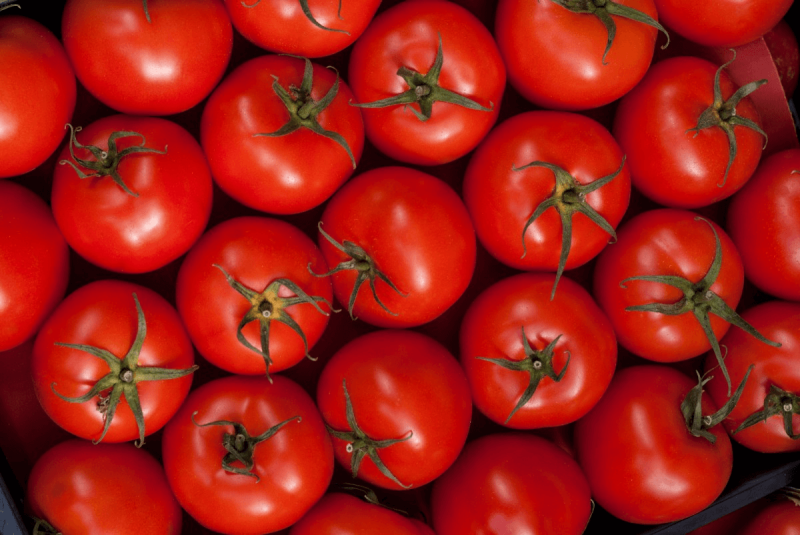
As part of its strategic open innovation approach Bayer has advanced two initiatives with external partners to bring forward genome editing in vegetables. Bayer and South Korean biotech company G+FLAS have entered into an agreement to collaborate on developing genome-edited tomato varieties that are nutritionally enhanced with vitamin D3. Vitamin D deficiency is a widespread issue globally, particularly in countries where winter sunlight is limited. It affects an estimated billion people worldwide and can lead to a range of health issues including rickets.
The importance of Bayer’s strategic open innovation approach has already been proven, now most recently through a new licensing agreement with US-based pioneering food and agtech startup Pairwise. Bayer has acquired a license from Pairwise that grants rights to work with and commercialise Pairwise’s genome edited mustard greens. These are a mix of colourful leafy greens with a unique, fresh flavour and higher nutrition compared to lettuce, achieved through genome editing. They were the first gene-edited food introduced to the North American market.





























