Brain-tracking headphones can improve focus but they raise privacy concerns

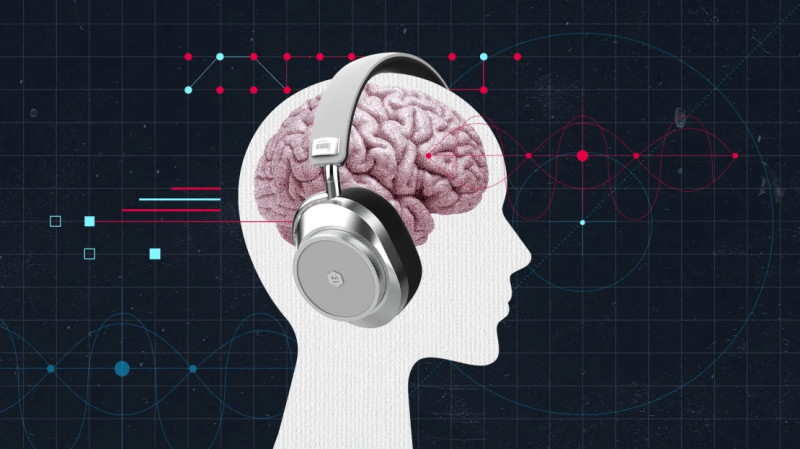
The MW75 Neuro comes in four colors, including silver. Its ear-cups contain the same sensors as an EEG which allows it to "read" your brain activity and tell if you are focused or distracted. Credit: Woojin Lee/CNN/Neurable

Activity trackers have come a long way. No longer mere step-counters, they can monitor your heart rate, blood oxygen level, and skin temperature, and can even detect whether you suffer from sleep apnea. Now, there’s a new wearable for your brain—and I’ve been testing it out for the past two weeks.

…

Boston-based company Neurable announced the launch of its smart headphones, dubbed the MW75 Neuro, which use electroencephalography, or EEG, and artificial intelligence to track the wearer’s focus levels by reading their brain waves. The device sends this data to a mobile app, with the goal of helping the user tweak their habits to improve their work routine.

Mis- and disinformation are distorting science and public policy. Subscribe to our Daily and Weekly Digests for incisive coverage of ‘disruptive’ innovations in AI, agricultural biotechnology, food, chemicals, nuclear energy, vaccines, and other disruptive innovations.

Jennifer Chandler, a professor of law at the University of Ottawa, says wearable technology is increasingly generating personal health data that could be used in ways that aren’t always obvious. … Chandler can imagine a scenario in which someone is wearing EEG earbuds while driving a car and gets in an accident. If brain data from that device showed that the person wasn’t alert and focused, they could be at fault.


This is an excerpt. Read the original post here

Related Articles

Infographic: Global regulatory and health research agencies on whether glyphosate causes cancer

Infographic: Global regulatory and health research agencies on whether glyphosate causes cancer

Does glyphosate—the world's most heavily-used herbicide—pose serious harm to humans? Is it carcinogenic? Those issues are of both legal and ...

Most Popular

Glossy Plastic Bag of Tokens and Labels
Viewpoint: How CNN got played by environmental activists pushing a plastics scare and litigation agenda
Screenshot-2026-10-21-at-11.30.51-AM
Viewpoint: Yes, our food system stinks, but the attack of ultra-processed foods is often misplaced
Screenshot-2026-10-30-at-11.36.40-AM
An Earth-saving benefit of global warming?: How fossil fuel-burning humans stopped the looming Ice Age
Neon Syringe Portrait with BPC-157
Viewpoint: Peptides and medical freedom: The MAHA obsession that can damage your health
ChatGPT-Image-Mar-10-2026-01_39_01-PM
Viewpoint—“Miracle molecule” debunked: Why acemannan supplements don’t work
Robots in a Futuristic Conference Meeting
Helpful until we’re helpless? Researchers warn AI is gradually eroding human control
Screenshot-2026-10-30-at-11.20.30-AM
‘Silent killer’: Hepatitis B could surge under Trump–RFK Jr. rollback of newborn vaccine recommendations
Screenshot 2026-07-29 at 10.40
The COVID vaccine turbo cancer scare is back. Science still proves it’s wrong.
Patriotic Flag in a Glass Flask
Viewpoint: America Last: From the Pentagon to universities, Trump’s corruption of science could inflict lasting, irreversible damage on U.S. research
Screenshot 2026-10-27 at 10.32
“Do your own research”: What Medicare’s annual open enrollment circus teaches us about the seductive trap of DIY health and science
glp menu logo outlined

Get news on human & agricultural genetics and biotechnology delivered to your inbox.