Switzerland edges towards embracing gene edited foods

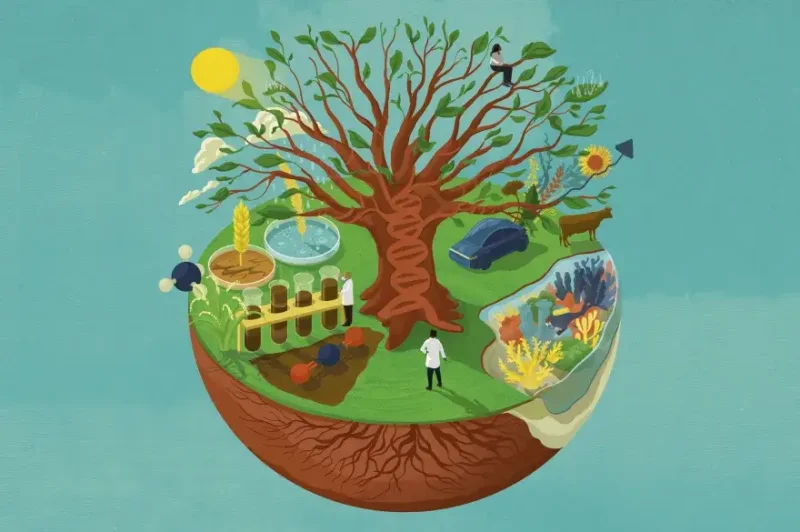
Credit: Sam Falconer, Debut Art/ Science Photo Library
[After a 20-year moratorium on genetically modified crops], the Swiss parliament asked the government to prepare a draft act for consultation [to introduce] a risk-based approval system for plants and seeds developed using CRISPR technology. This will give an exemption to the GMO ban, permitting trials of plants that have been subjected to genetic engineering techniques, that do not contain foreign genes and that offer added value for agriculture, the environment, and consumers.

Follow the latest news and policy debates on sustainable agriculture, biomedicine, and other ‘disruptive’ innovations. Subscribe to our newsletter.

Among those likely to participate in the consultation process is the Swiss-based Research Institute of Organic Agriculture (FiBL), one of the world’s leading institutes in organic agriculture. The organisation is concerned about the potential impact of gene editing on organic farming and is putting together its own official position on the issue.

“We see the potential of gene editing to help to reduce the application of synthetic pesticides in the short term for conventional agriculture,” says Monika Messmer, co-Group Lead of Plant Breeding at FiBL. “However, we are afraid that the overpromising of such fast technical fixes bears the great risk that the important and urgently needed transformation towards more sustainable agricultural and food systems will be further postponed.”


This is an excerpt. Read the original post here

{{ reviewsTotal }}{{ options.labels.singularReviewCountLabel }}
{{ reviewsTotal }}{{ options.labels.pluralReviewCountLabel }}
{{ options.labels.newReviewButton }}
{{ userData.canReview.message }}

Related Articles

Infographic: Global regulatory and health research agencies on whether glyphosate causes cancer

Infographic: Global regulatory and health research agencies on whether glyphosate causes cancer

Does glyphosate—the world's most heavily-used herbicide—pose serious harm to humans? Is it carcinogenic? Those issues are of both legal and ...

Most Popular

d-b
Blocked arteries, kidney stones, nausea, constipation, fatigue: Long list of health problems caused by too much vitamin D 
Screenshot-PM-24
Viewpoint: The herbicide glyphosate isn’t perfect. Banning it would be far worse.
79d03212-2508-45d0-b427-8e9743ff6432
Viewpoint: The Casey Means hustle—Wellness woo opportunism dressed up as medical wisdom
ChatGPT-Image-Mar-27-2026-11_27_05-AM
The myths of “process”: What science says about the “dangers’ of synthetic products and ultra-processed foods
ChatGPT-Image-Apr-30-2026-12_21_05-PM-2
The tech billionaires behind the immortality movement
ChatGPT-Image-Apr-30-2026-05_00_48-PM
Wellness grifter physician turned wellness influencer out as surgeon general nominee

Sorry. No data so far.

glp menu logo outlined

Get news on human & agricultural genetics and biotechnology delivered to your inbox.