Vitamin A deficiency (VAD), practically unknown in the western world, has been a deadly public health problem in parts of the world for more than 30 years. VAD, causing blindness and death, is common in countries where white rice is the staple food but diversity of diet is limited. It is estimated to cause up to half a million deaths in childhood worldwide annually.
Golden rice (GR), a genetically modified (GM) crop, is a public-sector product deliberately designed to add vitamin A to diets to deal with the deficiency.
Opponents of GR have developed an influential, although inaccurate narrative against GM crops in general. But mainline science states that genetically modified organisms are not more risky per se than conventional plant breeding technologies and the European Commission has issued a statement to this effect.
And, of the approximately 290 Nobel laureates living, 141 signed an open letter to Greenpeace, the UN and governments around the world calling for a halt to the campaign against crops improved by biotechnology, and specifically GR, saying “opposition based on emotion and dogma, contradicted by data, must be stopped“. The letter is also supported by more than 13,000 scientists and citizens.
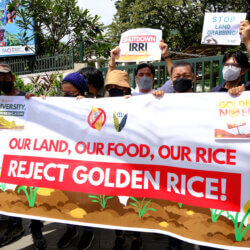



There is no doubt that caution is warranted when considering release of GM organisms into the environment. But in the case of GR the evidence is overwhelming that release poses no dangers while offering fantastic life-saving potential. It is now time for the opposition to stand down.