The science behind water fluoridation: What is hysteria, what fears are justified?

Fluoride in Tap Water Lowers Children’s IQ and Affects Neurodevelopment and Cognition

Water fluoridation is supported by a robust body of evidence. Numerous epidemiological studies have demonstrated significant reductions in cavities in communities with fluoridated water. The effect is most pronounced in populations with limited access to dental care, especially if they choose not to use fluoridated toothpaste. In more affluent areas, and when fluoride toothpaste is used, the incremental benefits of water fluoridation are smaller.

Mis- and disinformation are distorting science and public policy. Subscribe to our Daily and Weekly Digests for incisive coverage of ‘disruptive’ innovations in AI, agricultural biotechnology, food, chemicals, nuclear energy, vaccines, and other disruptive innovations.

What about risks? …  Allegations linking fluoride to cancer, thyroid dysfunction, and neurological issues lack strong evidence. A 2006 report  by the US National Research Council recommended lowering the maximum allowable fluoride concentration in drinking water to 2 ppm—not because of new health concerns but to prevent severe fluorosis in areas with naturally high fluoride levels.

One of the most controversial claims is that fluoridation impacts intelligence. A 2019 study in JAMA Pediatrics suggested a correlation between maternal fluoride intake during pregnancy and slightly lower IQ scores in male children. However, the study relied on estimates of fluoride consumption and failed to account for critical variables like maternal IQ and environmental pollutants. Moreover, subsequent analyses have challenged  its conclusions, suggesting that if an effect exists, it is minor and likely insignificant compared to other prenatal risks, such as tobacco smoke, lead exposure, and, indeed, maternal dental caries.
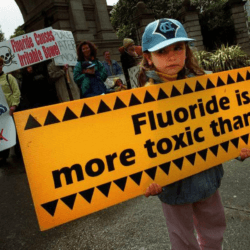

As Paracelsus, the father of toxicology, famously said, “The dose makes the poison.”

This is an excerpt. Read the original post here

Related Articles

Infographic: Global regulatory and health research agencies on whether glyphosate causes cancer

Infographic: Global regulatory and health research agencies on whether glyphosate causes cancer

Does glyphosate—the world's most heavily-used herbicide—pose serious harm to humans? Is it carcinogenic? Those issues are of both legal and ...

Most Popular

ChatGPT-Image-Sep-17-2026-12_28_43-PM
Vitamin D, omega-3 fish oil and glucosamine supplements could cause brain damage 
ChatGPT-Image-Mar-10-2026-01_39_01-PM
Viewpoint—“Miracle molecule” debunked: Why acemannan supplements don’t work
ChatGPT-Image-Sep-17-2026-10_17_15-AM
Viewpoint: Why are the less intelligent more likely to be conservative—and smarter people more socially liberal?
Screenshot-2026-08-12-at-11.31.46-AM
AI is helping develop new vaccines
Screenshot-2026-09-10-at-12.20.19-PM
'Jet fuel didn't melt the steel': 9/11 conspiracy theories debunked
Screenshot-2026-09-17-at-10.24.54-AM
Viewpoint: Dubious environmental fears: Why the AI buildout is critical to America’s ecological future
Screenshot-2026-09-16-at-12.07.47-PM
The heated debate over trans athletes in the WNBA
ChatGPT-Image-Sep-9-2026-02_48_24-PM
Viewpoint: Trump-RFK Jr. report on “Gender Ideology & Left-wing Ideology’ targets LGBTQ community—and science
Screenshot 2026-09-11 at 12.39
Child-monitoring apps: When the cure is worse than the harm—and how the technology could be tweaked
Screenshot-2026-09-10-at-11.50.46-AM
Did COVID vaccines kill 2,500 service members? RFK Jr. hires an investigator who compares vaccine promoters to Nazi doctors
glp menu logo outlined

Get news on human & agricultural genetics and biotechnology delivered to your inbox.