TPAF [Taxpayers Protection Alliance Foundation] has even been able to use FOIA [Freedom of Information Act] requests to hold global taxpayer-funded bureaucracies accountable. Last July, the World Health Organization’s (WHO) International Agency for Research on Cancer (IARC) released a grave assessment calling the non-sugar sweetener aspartame (found in plenty of diet drinks) “possibly carcinogenic to humans.” Health experts have pushed back on this finding, calling the research behind the review “flawed.” At the same time, the WHO and the Food and Agriculture Organization (FAO) Joint Expert Committee on Food Additives (JECFA) published their own, more nuanced assessment of the sweetener.
TPAF was curious to see how federal food regulators felt about these assessments and submitted a FOIA to find out more. The FOIA response painted an interesting picture. After receiving the WHO’s mixed messages on aspartame, U.S. Department of Agriculture (USDA) regulator Mary Frances Lowe was understandably upset. She wrote to her colleagues that the WHO (IARC) had “[d]isappointing risk communication.”
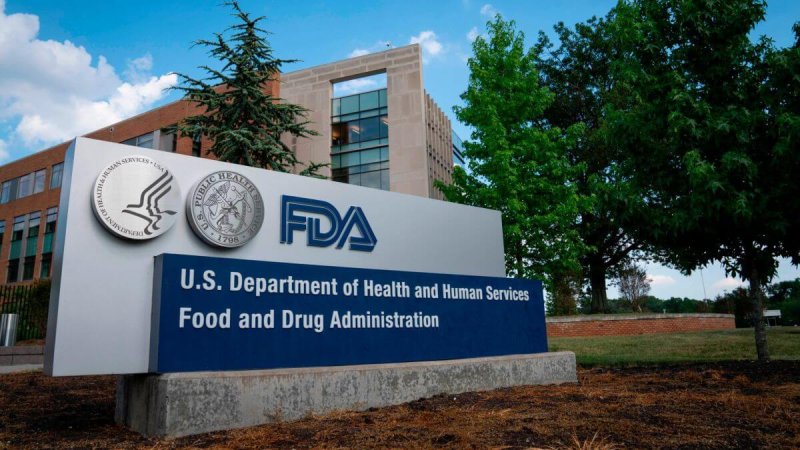
From then on, the FDA took the lead in undoing the damage caused by IARC and convincing the public and media that JECFA had gotten the science correct. FDA employee Shruti Kabadi noted in a July 14 email, “JECFA concluded that there was no concern carcinogenicity of oral exposure to aspartame in animals. There was no concern for [the] genotoxicity of oral exposure to aspartame. The evidence of association of aspartame consumption and cancer in humans is not convincing.”
Her colleague Sabine Francke quickly wrote to Shruti: “I saw the Jecfa report – [an] excellent rebuttal to the IARC attempt!! Science prevailed.”

This FOIA response made it abundantly clear that the taxpayer-funded IARC takes shortcuts with scientific research to the detriment of consumers and the federal regulatory process.
The fight for honesty and transparency in government is just beginning.