A new industrial facility in suburban Seattle is giving off a whiff of futuristic technology. It can safely treat fecal waste from people and livestock while recycling nutrients that are crucial for agriculture but in increasingly short supply across the nation’s farmlands.
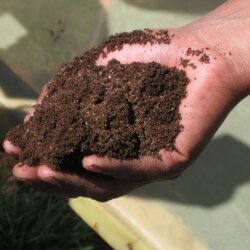
Within the 2.3-acre plant, which smells lightly of ammonia, giant rotating spindles turn steaming-hot septic sludge and biosolids from local wastewater treatment plants into what an engineer calls “poop crepes.” Giant scrapers then deposit the baked biomatter onto a combination conveyor belt and dryer to yield a growing pile of sterilized fertilizer. The waste-processing method uses compressed steam generated in an earlier step, cutting the electricity needed by 95%. Besides the dry fertilizer, the process yields nearly pure ammonia and water.
Wastewater treatment plants across the country are using high heat, composting, and devices akin to pressure cookers to transform leftover biomass into rich fertilizers, mulches, and other soil additives…. Some process the wastewater in a separate step to extract phosphorus—an essential plant nutrient and a common element in the human diet—and layer it to form round pellets, in a technique a bit like building pearls. This technology … creates a slow-release fertilizer that can be sold back to farmers.