Podcast:
Podcast: Play in new window | Download
Subscribe: RSS
Join hosts Dr. Liza Dunn and GLP contributor Cameron English on episode 298 of Science Facts and Fallacies as they break down these latest news stories:
The 1960s gave rise to a radical strain of environmentalism that predicted mass famine as global population growth began to dwarf our ability to feed ourselves. How fantastically wrong those projections turned out to be. Between 1961 and 2022, global soybean output increased by nearly 1,300 percent and corn production grew by roughly 560 percent, while global rice production more than tripled. All the while, farmers reduced the amount of land they cultivated to grow these additional calories. It’s a testament to the power of scientific innovation and the uselessness of doomsday prophecies.
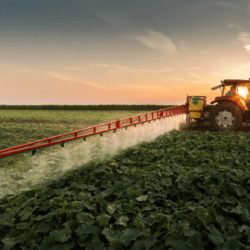



As the world warms, extreme weather events will grow more severe and frequent, jeopardizing the ability of farmers to reliably raise the crops and animals we all rely on for food. That’s according to a paper recently published in the journal Science, which warns that climate change is likely to shrink harvests, reduce the effectiveness of fertilizers and accelerate the damage caused by crop pests and soil erosion. How harmful could these impacts be, and how do we prepare for them?
An alarming 2020 study estimated that pesticides poison some 385 million people and cause 11,000 deaths annually. The research was widely promoted by the media and criticized by the science community (including both hosts of this podcast). After four years of controversy, the paper was finally retracted, with the publishing journal declaring that it “no longer has confidence in the results and conclusions presented.” That has not stopped some anti-chemical activists from relying on the study to bolster their campaign against pesticides.
Dr. Liza Dunn is a medical toxicologist and the medical affairs lead at Bayer Crop Science. Follow her on X @DrLizaMD
Cameron J. English is the director of bio-sciences at the American Council on Science and Health. Visit his website and follow him on X @camjenglish