Africa looks to 7% annual growth to unlock benefits of a bioeconomy

AQO40TSiY0yeW7B7P2fuVsOkeeMg6ieNkEelo8oU7WxbzJ6apGODR-C25k0tRIkwcWjXe55LJ59g8rnjIVPsRtQlvegy4h60vikGMRh2EcPtVwV3U9iI5rQPbS2to-siJlWtm0UzqxuFuZ3YZyHjovxQizoFPQ

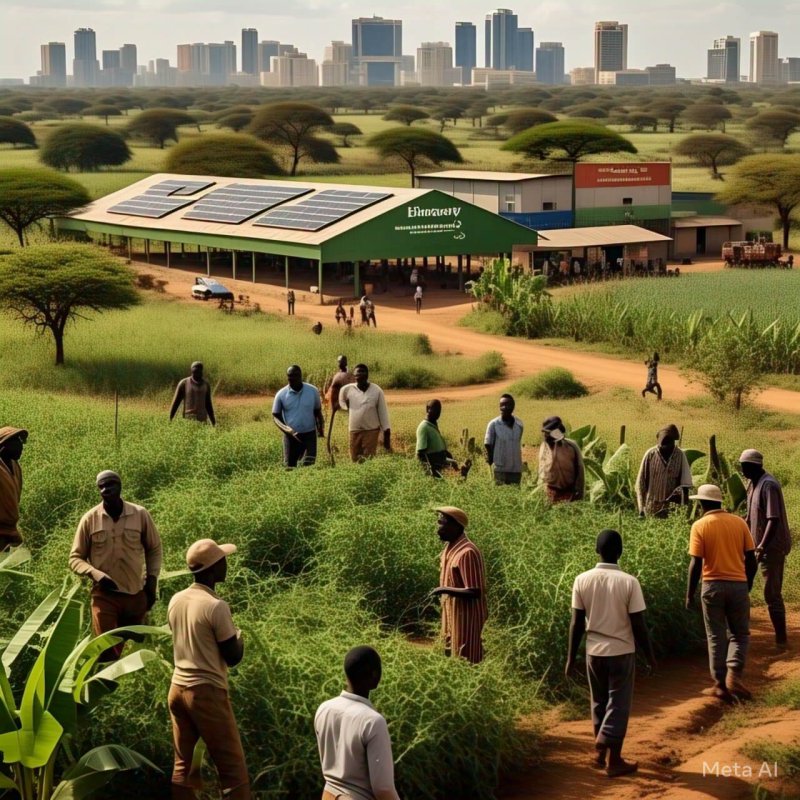
Regions, such as Africa, which have significantly lower carbon emissions compared to the rest of the world, could have a competitive advantage in developing sustainable bioeconomies. Africa possesses abundant renewable biological resources, including crops, forests, fish, animals, and microorganisms, which can be utilised in a sustainable manner to produce novel food, safer medicines, environmentally friendly materials, products, textiles, and bioenergy.

A business case for a bioeconomy in Africa can be made across several dimensions: economic stability, biodiversity richness, emerging biotechnology capacity, agricultural potential, and forward-looking bioeconomy policies.


Follow the latest news and policy debates on sustainable agriculture, biomedicine, and other ‘disruptive’ innovations. Subscribe to our newsletter.
[G]rowth needs to increase to at least seven per cent per year and be consistently maintained at that level if Africa is to achieve its ambition of attaining upper-middle-income status in the medium and long term. Scholars and policymakers believe that diversifying sources of growth would help the continent reach higher growth rates.

This is an excerpt. Read the original post here

{{ reviewsTotal }}{{ options.labels.singularReviewCountLabel }}
{{ reviewsTotal }}{{ options.labels.pluralReviewCountLabel }}
{{ options.labels.newReviewButton }}
{{ userData.canReview.message }}

Related Articles

Infographic: Global regulatory and health research agencies on whether glyphosate causes cancer

Infographic: Global regulatory and health research agencies on whether glyphosate causes cancer

Does glyphosate—the world's most heavily-used herbicide—pose serious harm to humans? Is it carcinogenic? Those issues are of both legal and ...

Most Popular

ChatGPT-Image-May-7-2026-12_16_37-PM-2
Viewpoint: Are cancer rates ‘skyrocketing’ as RFK, Jr. and MAHA claims? The evidence says mostly the opposite
Screenshot-2026-04-13-at-1.39.26-PM
Viewpoint: ‘Safer for children?’ Stonyfield yogurt under fire for deceptive organic marketing
Screenshot-2026-04-22-at-10.46.29-AM
Viewpoint: How to counter science disinformation? Science journalist offers 12 practical tips
png-pill-omega-Supp-fish-oil
Millions take omega-3 fish oil for brain health. New research suggests it may do the opposite.
Picture1-5
Science Disinformation Gap: The transatlantic battle over social media and censorship
Screenshot-2026-04-23-at-11.00.36-AM
Regulators' dilemma: Thalidomide, Metformin, and the cost of getting drug approvals wrong
ChatGPT Image May 14, 2026, 09_51_35 PM
Facebook swamped by hundreds of thousands of scam ads for illegal or dangerous medical products
Screenshot-2026-05-08-at-3.40.33-PM
Seeds of power: China turns to genetic engineering to become global superpower
ChatGPT Image May 12, 2026, 01_21_30 PM
How big health brands are funding online medical misinformation 
ChatGPT-Image-May-12-2026-08_39_41-PM
GLP podcast: Big Pharma, Big Ag, Big Food—health harming industries or life-saving innovators?
ChatGPT-Image-May-13-2026-12_43_37-PM-2
Longevity: Is cellular rejuvenation even possible?
glp menu logo outlined

Get news on human & agricultural genetics and biotechnology delivered to your inbox.