Risky business: How human’s evolutionary response to danger has left all of us vulnerable

91UBsgtOSNL._AC_UF894,1000_QL80_

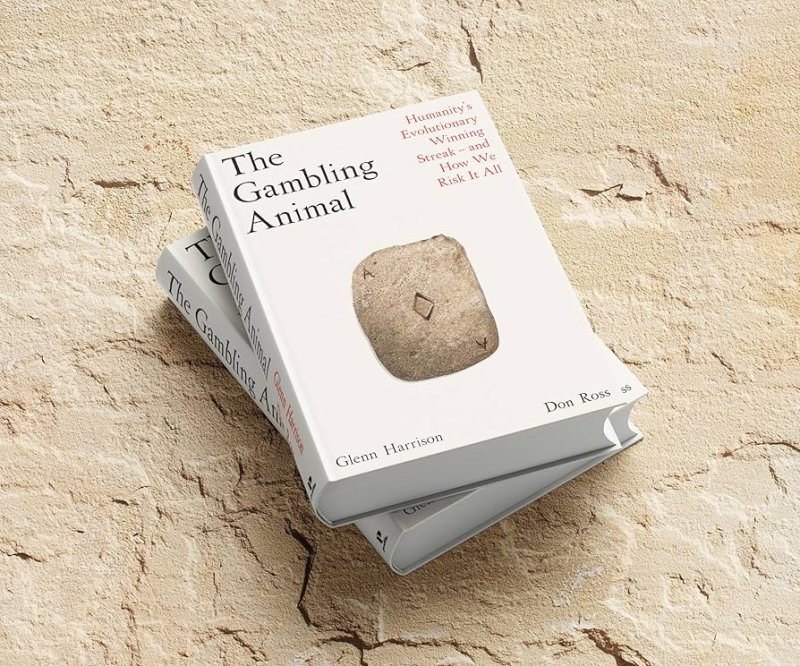
In The Gambling Animal: Humanity’s evolutionary winning streak – and how we risk it all, experimental economists Glenn Harrison and Don Ross look at this process from an even further remove. They study evolution in terms of risks to a species’ survival, and trace the ways animals evolve to mitigate those risks. From this distance, it makes more sense to talk about communities and societies than individuals.

Follow the latest news and policy debates on sustainable agriculture, biomedicine, and other ‘disruptive’ innovations. Subscribe to our newsletter.

But here’s the thing. Tracing how humans evolved to manage risk, from the savannah to Wall Street, they note that while individuals are mildly risk-averse, we innovate behavioural norms – institutions – that collectivise risk with astonishing effectiveness.

But past performance is no guarantee of future returns, so the authors are far from optimistic: “The history of humans,” they write, “is not a record of safe bets.” We might do better to … weigh probabilities rather than dream up might-bes and nice-to-haves.


{{ reviewsTotal }}{{ options.labels.singularReviewCountLabel }}
{{ reviewsTotal }}{{ options.labels.pluralReviewCountLabel }}
{{ options.labels.newReviewButton }}
{{ userData.canReview.message }}

Related Articles

Infographic: Global regulatory and health research agencies on whether glyphosate causes cancer

Infographic: Global regulatory and health research agencies on whether glyphosate causes cancer

Does glyphosate—the world's most heavily-used herbicide—pose serious harm to humans? Is it carcinogenic? Those issues are of both legal and ...

Most Popular

ChatGPT-Image-May-7-2026-12_16_37-PM-2
Viewpoint: Are cancer rates ‘skyrocketing’ as RFK, Jr. and MAHA claims? The evidence says mostly the opposite
Screenshot-2026-04-13-at-1.39.26-PM
Viewpoint: ‘Safer for children?’ Stonyfield yogurt under fire for deceptive organic marketing
Screenshot-2026-04-22-at-10.46.29-AM
Viewpoint: How to counter science disinformation? Science journalist offers 12 practical tips
png-pill-omega-Supp-fish-oil
Millions take omega-3 fish oil for brain health. New research suggests it may do the opposite.

Sorry. No data so far.

glp menu logo outlined

Get news on human & agricultural genetics and biotechnology delivered to your inbox.