Viewpoint: ‘This is like banning life-saving medicines because some patients take overdoses’: Pakistan debates banning key agricultural chemicals that some say are misused

cottoncropapp-670

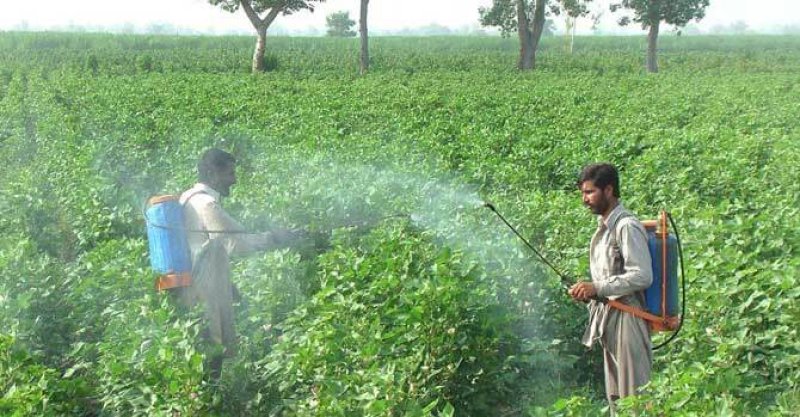
A proposed government ban on 12 widely used agrochemicals has triggered alarm across Pakistan’s agriculture sector as experts warn it can cripple crop yields, inflate costs for farmers and destabilise food security.

Follow the latest news and policy debates on sustainable agriculture, biomedicine, and other ‘disruptive’ innovations. Subscribe to our newsletter.

The proposal, discussed during a recent meeting of the Agricultural Pesticides Technical Advisory Committee, bypassed stakeholder consultations and statutory procedures, raising concerns about its scientific basis and long-term consequences….CropLife Pakistan Executive Director Muhammad Rasheed stressed that the ban targeted active ingredients without addressing the root issue, misuse by farmers and poor handling during storage.

“This is like banning life-saving medicines because some patients take overdose; the problem is not the pesticides themselves but how they are applied. We need better enforcement and education, not elimination,” Rasheed said…

The 12 active ingredients under threat are vital for controlling pests in major crops like rice, wheat, cotton, fruits and vegetables. Removing them, experts warn, could slash yields, drive up production costs and leave farmers vulnerable to pest outbreaks. With limited alternatives available, abrupt bans risk accelerating pest resistance, making future control even harder.


This is an excerpt. Read the original post here

{{ reviewsTotal }}{{ options.labels.singularReviewCountLabel }}
{{ reviewsTotal }}{{ options.labels.pluralReviewCountLabel }}
{{ options.labels.newReviewButton }}
{{ userData.canReview.message }}

Related Articles

Infographic: Global regulatory and health research agencies on whether glyphosate causes cancer

Infographic: Global regulatory and health research agencies on whether glyphosate causes cancer

Does glyphosate—the world's most heavily-used herbicide—pose serious harm to humans? Is it carcinogenic? Those issues are of both legal and ...

Most Popular

ChatGPT-Image-May-7-2026-12_16_37-PM-2
Viewpoint: Are cancer rates ‘skyrocketing’ as RFK, Jr. and MAHA claim? The evidence says mostly the opposite
Screenshot-2026-04-13-at-1.39.26-PM
Viewpoint: ‘Safer for children?’ Stonyfield yogurt under fire for deceptive organic marketing
Screenshot-2026-04-22-at-10.46.29-AM
Viewpoint: How to counter science disinformation? Science journalist offers 12 practical tips
Picture1-14
When superbugs threaten vulnerable children: Can AI help solve antibiotic resistance?
Screenshot-2026-04-23-at-11.00.36-AM
Regulators' dilemma: Thalidomide, Metformin, and the cost of getting drug approvals wrong
Picture1-1
Cooling the planet with balloons: Could a geoengineering gamble slow global warming?
ChatGPT-Image-May-12-2026-08_39_41-PM
GLP podcast: Big Pharma, Big Ag, Big Food—health harming industries or life-saving innovators?
bigstock opioids on chalkboard with rol
GLP podcast: 'Safe injection sites': enabling drug addiction or saving lives?

Sorry. No data so far.

glp menu logo outlined

Get news on human & agricultural genetics and biotechnology delivered to your inbox.