HPV is a virus that can live and replicate in certain cells on the surface of the skin and mucous membranes, including the inner lining of the mouth, throat and genitals. While over 200 types of the virus exist, only a few can lead to cancer, usually many years or decades after exposure.
…
A safe and well-tolerated vaccine can prevent about 90% of such cancers. But in the U.S., HPV vaccines continue to be among the most underutilized recommended vaccines, a tragedy that may worsen if Robert F. Kennedy Jr., President Trump’s new secretary of the Department of Health and Human Services, tries to discredit them and limit access.
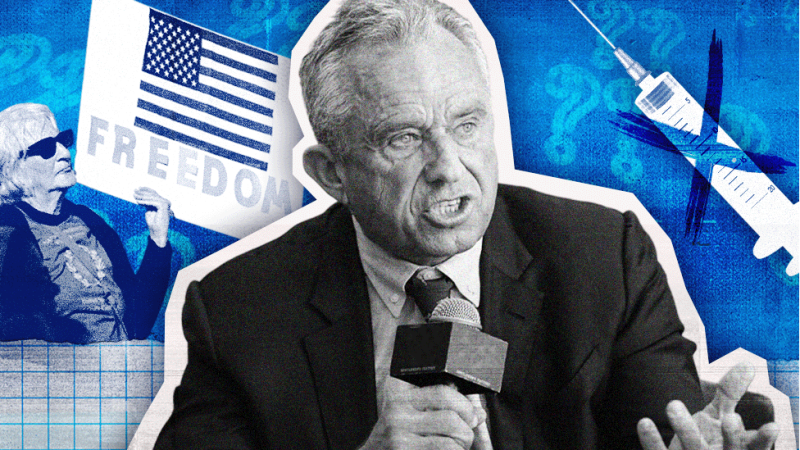
Kennedy is an anti-vaccine activist who has spread false claims about the HPV vaccine, including the assertion that it can cause cancer, and has benefited financially by referring clients to support legal challenges against manufacturer Merck. His role gives Kennedy a powerful platform from which to further undermine vaccine acceptance.
During his confirmation hearings, Kennedy pledged to Republican Sen. Bill Cassidy of Louisiana, a physician, that he would maintain the CDC’s current vaccine safety and monitoring systems and back recommended vaccination schedules.
But he also refused to accept decades of medical research validating the safety of vaccines. When questioned by Democratic Sen. Patty Murray of Washington, he declined to say whether he stands by his prior statements calling the HPV vaccine “dangerous and defective.”

…
Pervasive misinformation surrounding HPV and the safety and necessity of its vaccine remains an enormous hurdle for vaccine promotion. Some families assume, incorrectly, that the vaccine is only for girls or is indicated only after a young person becomes sexually active.
Mistrust around immunizations increased during the COVID-19 pandemic and remains widespread. Some argue that the HPV vaccine encourages promiscuity, an allegation that has been thoroughly debunked. Still others aren’t convinced that HPV is a serious health threat.