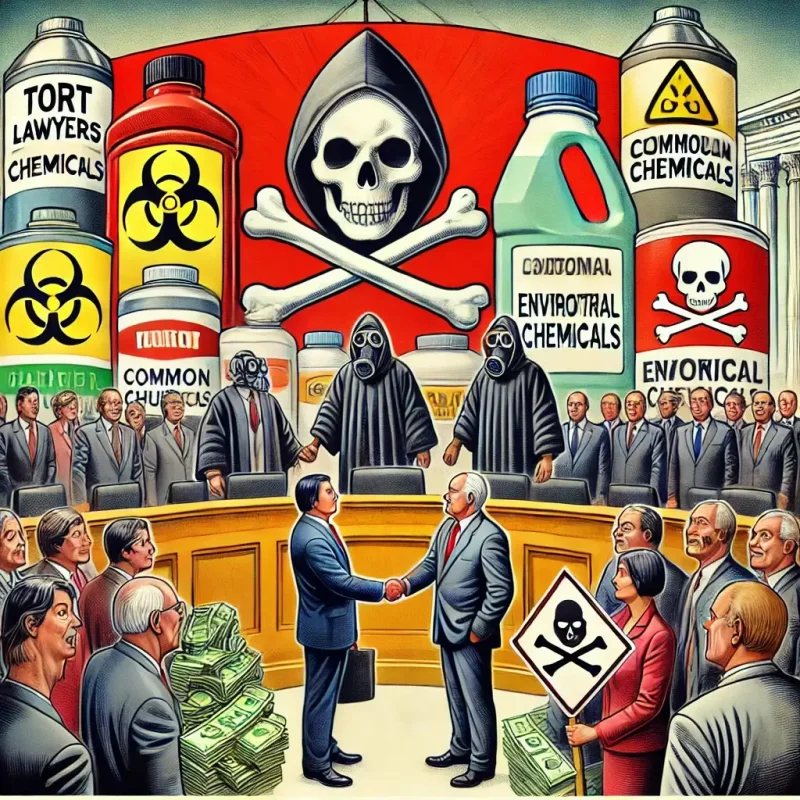
Viewpoint: Anatomy of the activist environmental group-tort lawyer alliance—latest target is a safe chemical in use for half a millennium

d3c3ccdf-4465-4a3b-9757-4599fbf1e935
Claims about occupational hazards, chemicals correlated to disease, occur every week, from non-stick spatulas to flame-retardant couches, and the group targeted more by those efforts than pregnant women are first responders like firefighters.

A new paper links gliomas in the brain or spinal cords to a specific mutation and then using epidemiological correlation to “suggest” cause from haloalkene, a common chemical in use for 600 years and in the 20th century in nearly every home with fire extinguishers, but then denying they are trying to suggest cause down at the bottom.

This paper is only EXPLORATORY due to the link to a link to a correlation and the tiny sample size, barely greater than the paper that linked vaccines to autism and wheat to brain cancer. The authors used data 17 firefighters and 18 others and they found a “mutational signature” in firefighters but also in the other group, and they claim that the others were probably exposed to SBS42 haloalkanes by painting or being a mechanic. Even for activist epidemiology, this is a stretch.

Follow the latest news and policy debates on sustainable agriculture, biomedicine, and other ‘disruptive’ innovations. Subscribe to our newsletter.

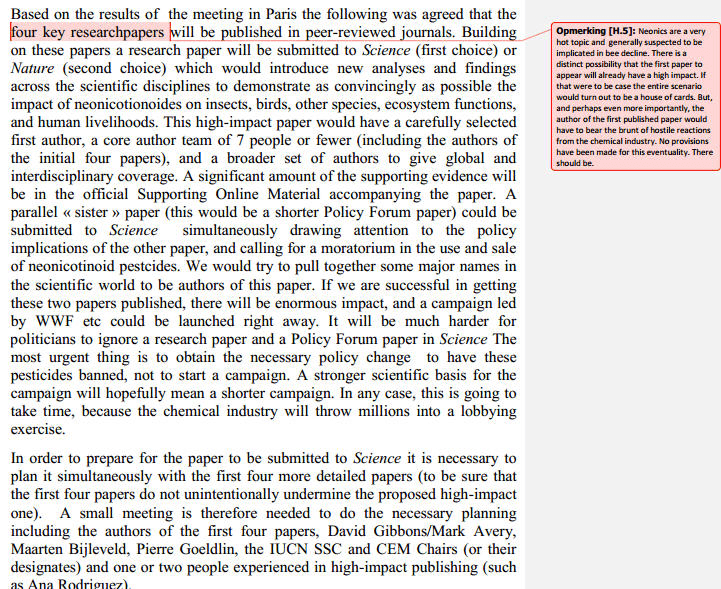
Even more reason for scientific skepticism is that this paper was written to confirm claims the authors had already made. Trial lawyers manufacture “emerging evidence” claims they can use in front of juries using a highly successful strategy that involves getting a high-profile paper written and then additional papers written to cite it and shore up its credibility. (1)
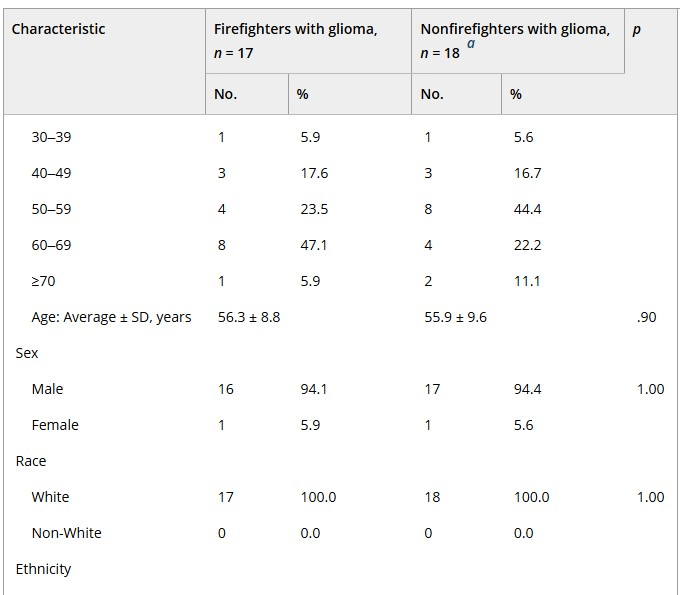
Is being white the big risk factor for a brain tumor in firefighters? A man? Sure, using epidemiology you can claim that, just like you can claim autism is linked to organic food popularity, but the biggest risk factor is what neutral people quickly state – age. Live long enough and there is a 100% chance you will get some kind of cancer.


Then it will appear in a correlation by IARC or Ramazzini Institute or an NIEHS group and calls for bans will commence, with lawsuits to follow.

No one is saying that the authors are working for a trial lawyer. Like with Naomi Oreskes, PhD, that wouldn’t be known unless a lawsuit gets them under oath, the conflicts of interest these authors declare, funding from pharmaceutical and other companies, have no bearing on the epidemiology claims, but it seems odd that a class of compounds in use for 600 years, and common in homes and businesses for the last 200 years, are being suggested as causal for cancer.

Scientists ask the obvious question just as the public should; given their prevalence, where are all the dead bodies? Cancers haven’t increased, they’ve gone down, primarily thanks to declines in cigarette smoking, and likely will go down even more because young people are skeptical of ‘in moderation’ claims about alcohol that just seem strange about an actual carcinogen.

Epidemiology can correlate anything to anything in 2025 because we can detect anything in anything in 2025 and that means a spreadsheet can suggest a link. There are chemicals that are legitimately restricted to experts for good reason, just as smallpox is and gain of function research for bat coronaviruses should have been restricted from Chinese labs, but that is not a good reason to put firefighters at real risk while claiming they need bans against virtual ones.

The best way to save lives of firefighters is fewer fires, and that is what flame-retardant chemicals achieve.

NOTE:

(1) Here is an example from activist scholar Dr. Henk Tennekes who outlined the tactics that got him banned from academia in 1992:
Hank Campbell is the founder of Science 2.0


A version of this article was originally posted at Science 2.0 and has been reposted here with permission. Any reposting should credit the original author and provide links to both the GLP and the original article. Find Science 2.0 on X @Science 2.0


{{ reviewsTotal }}{{ options.labels.singularReviewCountLabel }}
{{ reviewsTotal }}{{ options.labels.pluralReviewCountLabel }}
{{ options.labels.newReviewButton }}
{{ userData.canReview.message }}

Related Articles

Infographic: Global regulatory and health research agencies on whether glyphosate causes cancer

Infographic: Global regulatory and health research agencies on whether glyphosate causes cancer

Does glyphosate—the world's most heavily-used herbicide—pose serious harm to humans? Is it carcinogenic? Those issues are of both legal and ...

Most Popular

ChatGPT-Image-May-7-2026-12_16_37-PM-2
Viewpoint: Are cancer rates ‘skyrocketing’ as RFK, Jr. and MAHA claims? The evidence says mostly the opposite
Screenshot-2026-04-13-at-1.39.26-PM
Viewpoint: ‘Safer for children?’ Stonyfield yogurt under fire for deceptive organic marketing
Screenshot-2026-04-22-at-10.46.29-AM
Viewpoint: How to counter science disinformation? Science journalist offers 12 practical tips
png-pill-omega-Supp-fish-oil
Millions take omega-3 fish oil for brain health. New research suggests it may do the opposite.
Screenshot-2026-04-23-at-11.00.36-AM
Regulators' dilemma: Thalidomide, Metformin, and the cost of getting drug approvals wrong
ChatGPT Image May 14, 2026, 09_51_35 PM
Facebook swamped by hundreds of thousands of scam ads for illegal or dangerous medical products
ChatGPT Image May 12, 2026, 01_21_30 PM
How big health brands are funding online medical misinformation 
Picture1-1
Cooling the planet with balloons: Could a geoengineering gamble slow global warming?
ChatGPT-Image-May-12-2026-08_39_41-PM
GLP podcast: Big Pharma, Big Ag, Big Food—health harming industries or life-saving innovators?
Screenshot 2026-05-12 at 11.01
Viewpoint: Can this California pediatrician and Congressional hopeful quell anti-vaccine extremists?

Sorry. No data so far.

glp menu logo outlined

Get news on human & agricultural genetics and biotechnology delivered to your inbox.