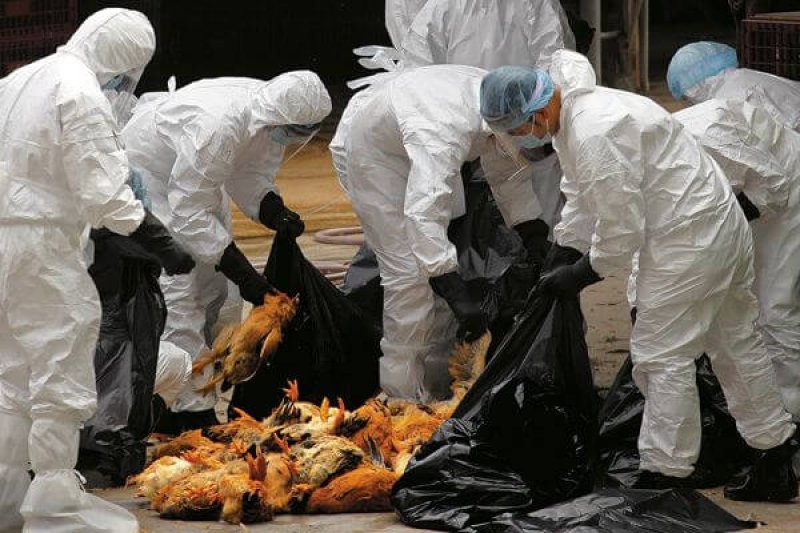
First, vaccinating poultry is critical to preventing flock outbreaks and must be a cornerstone of the nation’s avian influenza prevention strategy. …
…
Second, the administration can reduce the risks to the dairy cattle industry by accelerating bovine vaccination development. In late 2024, the Department of Agriculture announced ongoing trials of two vaccine candidates for cows. With nearly 1,000 herds already infected with H5N1, the risk to our nation’s milk, dairy, and meat supply is significant. …
Third, investing in the rapid development of a human vaccine is essential to staying ahead of avian influenza. …
…

Fourth, medical treatments must be improved to prevent serious illness and loss of life if avian influenza spreads significantly among humans. …
…
There are so many reasons for the Trump administration to take a far more proactive approach to mitigating the risk and consequences of H5N1. Inaction and half measures will drive spread among animals and could lead to a virus that mutates to spread easily among humans and cause a potentially catastrophic pandemic.