For a long time, agriculture was about scale. More acres. More calories. More inputs. That worked, until it didn’t. The industrial model that once fed the world is now showing its cracks: degraded soils, climate stress, fragile supply chains, poor grower profitability.
At the same time, AI grew up. It started as a novelty. Now it’s part of daily life. But the real shift isn’t speed or automation. It’s what happens when intelligence stops being a tool and starts helping us rethink the systems we depend on. It may change what we decide to build in the first place.
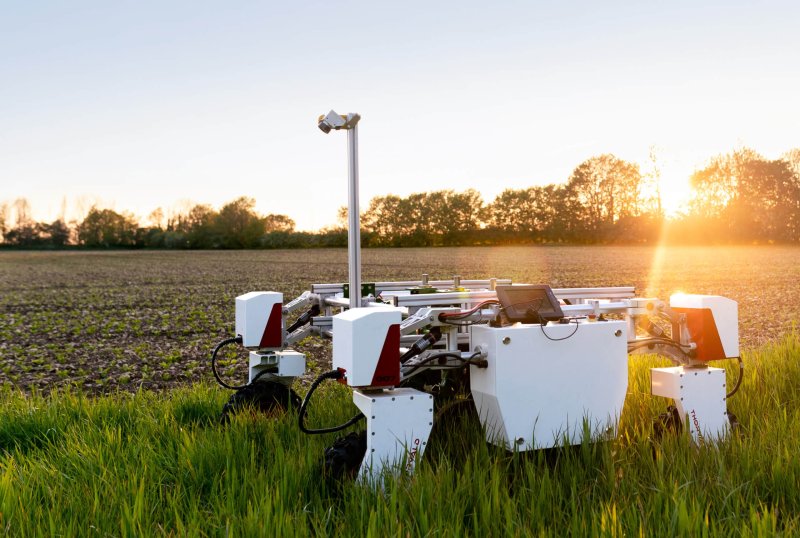
Most people still think of AI in agriculture as automation. Smarter sprayers. Better crop scouting. Drones, sensors, apps. Maybe a bit of mapping genes. That’s helpful, but it’s Tier 1 thinking for agtech 2.0 problems.
The real leap happens at Tier 3. That’s when farming stops being a checklist and starts becoming a system we can reimagine.

…
AGI lets us design farming and food systems that aim for goals like healthier soils, stronger ecosystems, and food that nourishes people and planet alike.