“Every time I went out to the beehive there were less and less,” says Bret Adee, one of the largest beekeepers in the US. “Then a week later, there’d be more dead ones to pick up….”
…
It developed into the largest US honeybee die-off on record, with beekeepers losing on average 60% of their colonies, at a cost of $600m.
Scientists have been scrambling to discover what happened; now the culprits are emerging. A research paper published by the US Department of Agriculture (USDA) … has found nearly all colonies had contracted a bee virus spread by parasitic mites that appear to have developed resistance to the main chemicals used to control them.
…
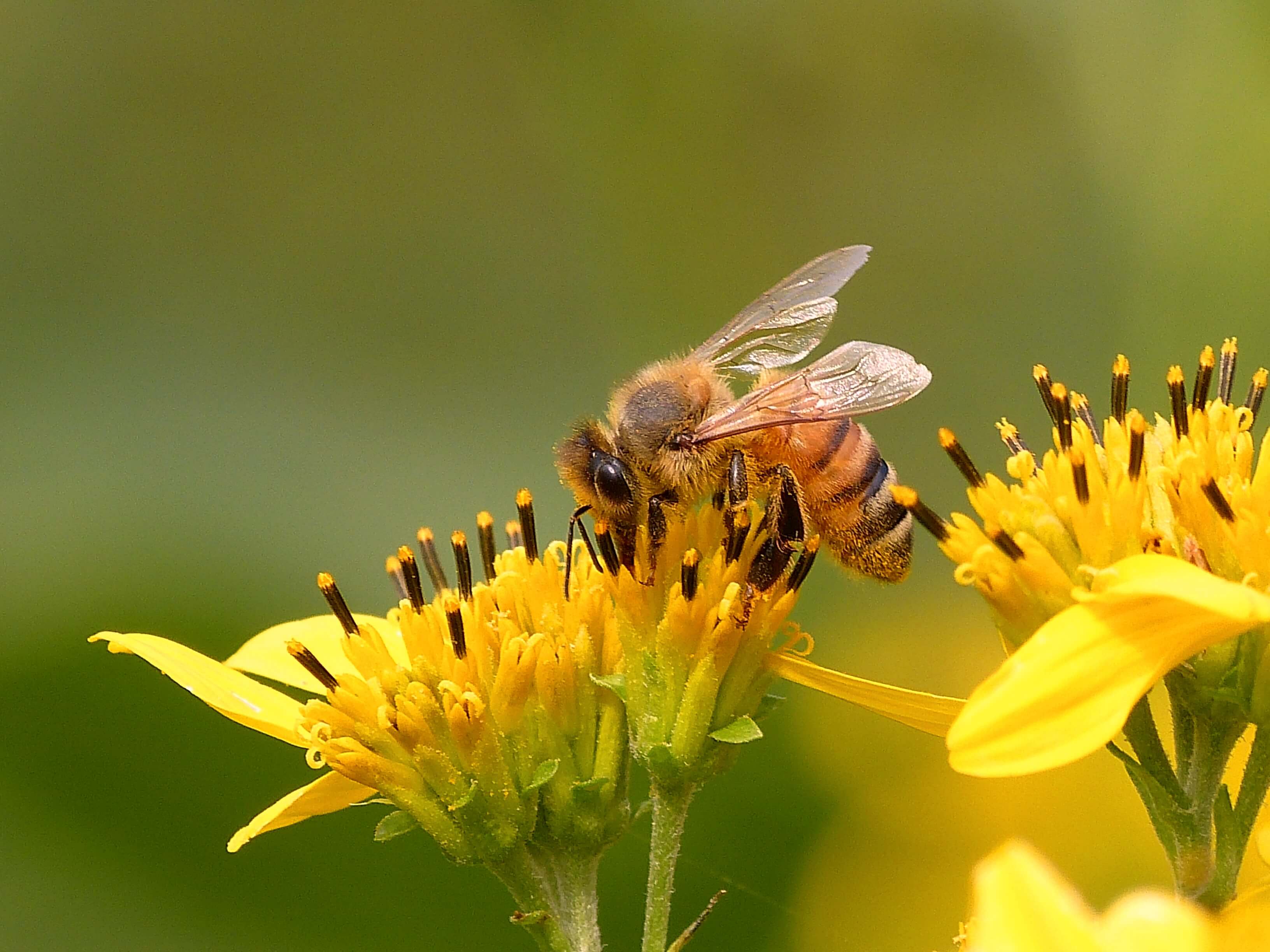



All beekeepers in the USDA screening used amitraz, a pesticide widely used in the sector to get rid of mites ….[All] mites tested were resistant to it: after years of heavy use, amitraz no longer appears to be effective.
…
“If beekeepers fail, there is no backup plan for the pollination services they provide in US food production,” [said Danielle Downey, director of Project Apis m.]