Nowhere is this more evident than in the crisis of H5N1 bird flu, a virus with real pandemic potential. While public health experts advocate containment, science-based regulation, and disease monitoring, wellness entrepreneurs and conspiracy theorists are advocating the opposite: less oversight, more “natural” approaches, and policies that actively ignore or deny the threat of infectious disease.
And with recent political appointments — including Robert F. Kennedy Jr., Mehmet Oz, Jay Bhattacharya, and Marty Makary — to the most senior U.S. health positions in Trump 2.0, the wellness industry is poised to exert unprecedented influence over national health policy. Prime example is notorious “wellness influencer” Vani Hari (aka “The Food Babe. She has long-time alliance with RFK, Jr.

Rather than challenging this mainstreaming of misinformation, the legacy media are letting down their guard, legitimizing these hucksters who present themselves of guardians of public health. Hari was recently featured in a CNN segment with FDA Commissioner Dr. Marty Makary.
The wellness industry’s pitch is simple: Mainstream medicine has failed, and “natural” alternatives are safer, more effective, and more empowering. Its influencers vilify institutions like the CDC, FDA, and USDA, while simultaneously selling unregulated supplements, miracle cures, and pseudoscientific therapies. The goal isn’t truth — it’s trust, and profit.

With Kennedy — who has built a career on vaccine disinformation — assuming powerful roles in the federal health apparatus, we now face a dangerous marriage of fringe health ideologies and institutional power.
H5N1: Not Just a Bird Problem
One of his most radical moves to date has been the near-abolition of the FDA’s Center for Veterinary Medicine (CVM) — a key agency responsible for monitoring pet food safety, zoonotic disease, and veterinary pharmaceuticals. This decision comes amid a global H5N1 outbreak that has already repeatedly crossed species boundaries and, in some cases, killed domestic animals.
Although the CVM is not widely known by the public, it’s important — among other things, a frontline defense against viruses like H5N1 jumping from animals to humans. Its gutting signals a retreat from science-based public health and a shift toward ideologically driven deregulation.
H5N1, or highly pathogenic avian influenza, has long been a scourge among birds. But in the past two years, it has spilled into many species of mammals: seals, foxes, cows, and most alarmingly, household pets. In 2024, several indoor cats in California died after eating H5N1-contaminated raw pet food (and many more barn cats perished after drinking milk from infected cows). The mortality rate for infected cats can be as high as 50%.
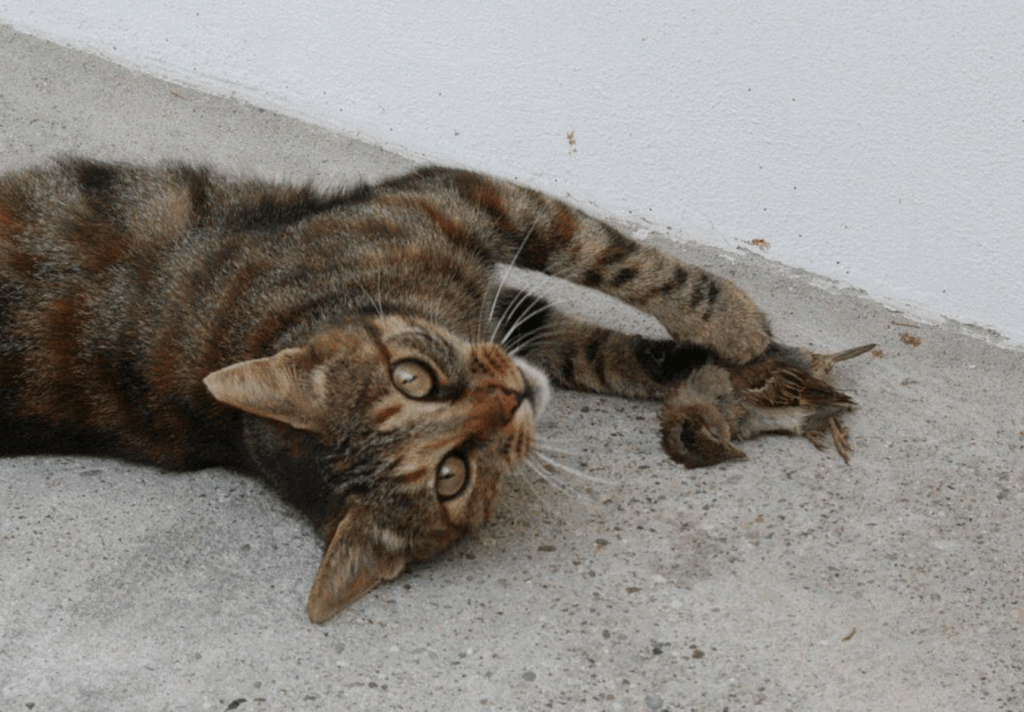
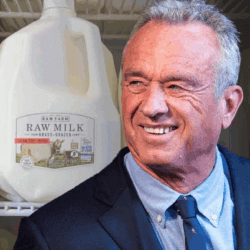
Yet wellness pet influencers — yes, that’s a booming niche across social media — exacerbates their crisis with their promotion of unpasteurized, uncooked products as “natural,” “ancestral,” and “biologically appropriate.” “Feeding raw, fresh food can be the single most important decision you make for your pet’s health,” writes Rodney Habib in his recent best-selling wellness book.
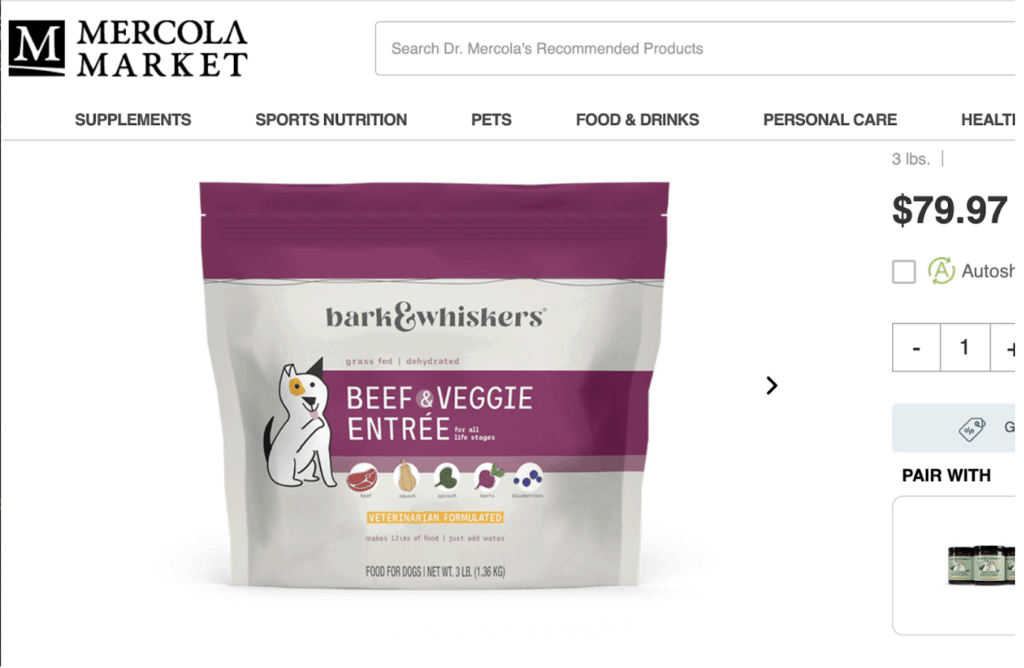
In an article titled “Pet’s Proper Diet and Nutrition,” pseudoscience mogul Dr. Joseph Mercola promoted the benefits of raw feeding. “It’s important that you feed them raw ingredients because they contain important enzymes and phytonutrients that are typically destroyed during food processing,” he wrote. Not surprisingly, he has launched Bark & Whiskers (formerly Dr. Mercola Healthy Pets), to capitalize on the fad—$80 for a 3lb bag.
These claims directly contradict vast evidence from veterinary science and epidemiology. Raw meat and unpasteurized milk are not only nutritionally equivalent (or inferior) to their treated counterparts, but they can also harbor deadly pathogens, including H5N1.
Wellness influencers push high-pressure processing (HPP) or freezing as “safe” and effective alternatives to cooking. But neither method inactivates viruses like H5N1. Pasteurization and thorough cooking do. By refusing to acknowledge this, the raw pet food movement is not just misinformed — it is helping to sustain and spread a virus that could, with just a few mutations, precipitate a human pandemic.



Pets, people, and pathogens
The health of humans and animals are deeply intertwined. Influenza viruses, including H5N1, have genomes consisting of eight segments of RNA that can “reassort” — swap genetic material when two different strains (a human flu virus and a bird or pig virus, for example) infect the same host simultaneously. The virus that caused the 2009 H1N1 pandemic, also known as swine flu, arose that way. It contained a new combination of swine, avian, and human influenza virus genes and spread rapidly across the world, causing widespread illness and disruption.
Infection in pets doesn’t threaten only them — it may also constitute a public health hazard. Animals shedding virus into their environments can infect humans, particularly in households with close contact. And the more hosts the virus finds, the more chances it must mutate, evolve, and become subject to Darwinian “survival of the fittest.”
But rather than treating the outbreak of H5N1 as an urgent scientific and veterinary crisis, wellness influencers are flooding the internet with dangerous disinformation — that raw diets prevent disease, “natural immunity” can defeat H5N1, and vaccinations and public health controls are part of a sinister agenda.
That isn’t just ignorance — it’s a business model.
Monetizing pseudoscience
The wellness industry profits by manufacturing distrust: of scientists, doctors, and regulatory bodies. It stokes fears about “toxins,” “Big Pharma,” and “Big Food” that profits from “unnatural” foods. Then it offers costly “natural” alternatives — raw pet food, homeopathic remedies, immunity boosters — that provide no real protection. The data are clear:
- Raw pet diets offer no measurable health benefits compared to cooked diets.
- Raw milk is not nutritionally superior, but it is far more likely to carry dangerous bacteria and viruses.
- Natural immunity is not an acceptable substitute for vaccination or infection control when dealing with a highly pathogenic virus with a 50% feline mortality rate.
What is less clear to consumers, unfortunately, is that many of these claims are not just unsupported — they are actively harmful. And with growing political influence, the wellness industry now has a chance to shape policy in ways that could strip away the few protections still in place.
What real reform would look like
It’s tempting to dismiss the wellness movement as harmless lifestyle branding, but the spread of anti-scientific misinformation and conspiracy theories and the dismantling of science-based public health infrastructure represent a serious threat.
We do need health reform in the U.S. — but it must be guided by data and rigorous scientific standards, not paranoia and profit. Here is what real reform could look like:
- Restore the staff levels of the FDA’s Center for Veterinary Medicine to those required to monitor zoonotic diseases like H5N1 and enforce food safety in the pet food supply chain.
- Mandate safety testing, clear labeling, and enforceable standards for all raw animal food products.
- Expand funding for public health communication to counter misinformation and to provide clear, evidence-based guidance on disease prevention.
- Invest in pandemic prevention infrastructure, including surveillance of cross-species transmission and genetic sequencing of emerging flu strains.
- Hold companies and influencers accountable for promoting products or advice that contradict established science and threaten public health.
The bottom line
We’ve seen this story before: Distrust in science, fueled by charismatic figures and capitalized on by opportunistic industries, can lead to preventable death and suffering. From the anti-vaccine movement (e.g., measles vaccine) to COVID denialism, the wellness-industrial complex has repeatedly shown that its primary concern is profit — not health.
Now, with political allies in power and oversight agencies in disarray, the danger is greater than ever. H5N1 is not just a veterinary issue or a niche debate about pet food; it’s a flashing red warning light for how wellness misinformation can erode public health from the inside out.
We cannot afford to ignore it. Science, evidence, and regulation aren’t optional — they’re the foundations of safety. And the longer we allow pseudoscience to guide our policies, the closer we come to the next preventable crisis.
Henry I. Miller is a physician and molecular biologist and the Glenn Swogger Distinguished Scholar at the Science Literacy Project. He was the founding director of the U.S. FDA’s Office of Biotechnology. Follow Henry on X @henryimiller