Will AI and organoids end the need for animal testing for drug development?

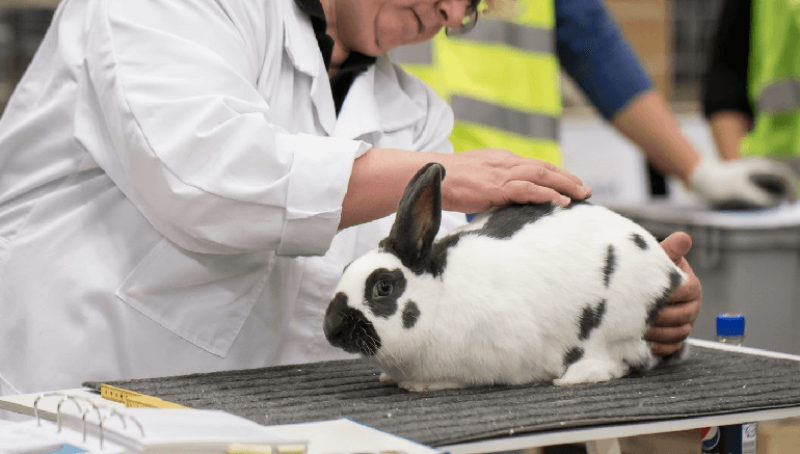
Credit: Heikki Siltala/World Animal Foundation (CC BY 3.0)

Recently, the National Institutes of Health (NIH) announced that they are creating a new office, the Office of Research Innovation, Validation, and Application (ORIVA), to help reduce animal research.

To be clear, there is no replacement yet for animal research in biomedical science. Breakthroughs in stem cell technologies that allow differentiation of human cells into many different cell types have granted unprecedented access to human biology, and newly developed 3D organoid models are rapidly replicating certain aspects of organ function.

Follow the latest news and policy debates on sustainable agriculture, biomedicine, and other ‘disruptive’ innovations. Subscribe to our newsletter.

 There may come a time when we have accumulated enough knowledge and insight from animal research to “train” AI and sample huge databases to develop drugs that bypass the need for testing in animals.  Indeed, there are many new companies that are already trying to harness large cell atlases and imaging data


Critical funding for animal research must continue today, but with a forward look to incorporating emerging non-animal technologies that can, in tandem, help move biomedical science forward.


This is an excerpt. Read the original post here

{{ reviewsTotal }}{{ options.labels.singularReviewCountLabel }}
{{ reviewsTotal }}{{ options.labels.pluralReviewCountLabel }}
{{ options.labels.newReviewButton }}
{{ userData.canReview.message }}

Related Articles

Infographic: Global regulatory and health research agencies on whether glyphosate causes cancer

Infographic: Global regulatory and health research agencies on whether glyphosate causes cancer

Does glyphosate—the world's most heavily-used herbicide—pose serious harm to humans? Is it carcinogenic? Those issues are of both legal and ...

Most Popular

d-b
Blocked arteries, kidney stones, nausea, constipation, fatigue: Long list of health problems caused by too much vitamin D 
Screenshot-PM-24
Viewpoint: The herbicide glyphosate isn’t perfect. Banning it would be far worse.
ChatGPT-Image-Apr-30-2026-12_21_05-PM-2
The tech billionaires behind the immortality movement
ChatGPT-Image-Apr-30-2026-05_00_48-PM
Wellness grifter physician turned wellness influencer out as surgeon general nominee
ChatGPT-Image-Mar-27-2026-11_27_05-AM
The myths of “process”: What science says about the “dangers’ of synthetic products and ultra-processed foods

Sorry. No data so far.

glp menu logo outlined

Get news on human & agricultural genetics and biotechnology delivered to your inbox.