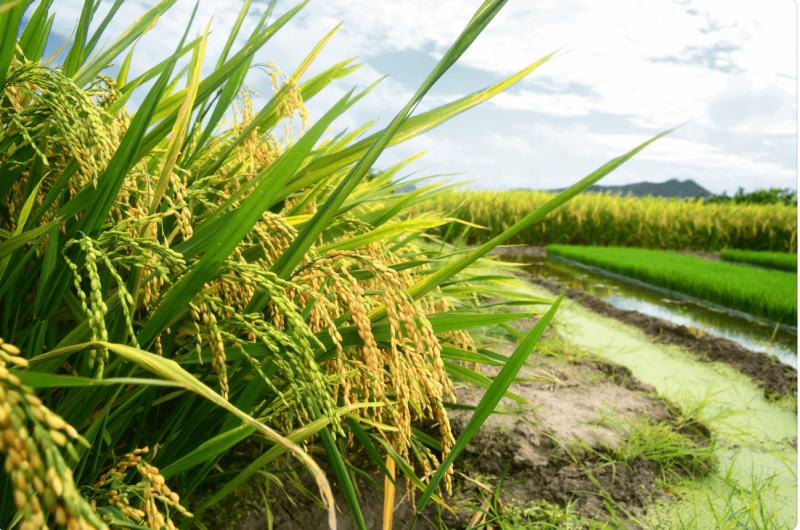

Crop breeding has long been used to improve agricultural productivity, but as modern biotechnology tools reshape the field, discussions over regulation have intensified. While these tools offer greater precision and efficiency, many countries have strict and costly approval processes for genetically modified (GM) crops. In this article, the evolution of global crop regulatory policies is discussed. Written by Dr. Stacy D. Singer of Agriculture and Agri-Food Canada and Dominique Michaud of Université Laval, the article explored the role of biotechnology in addressing climate and food security issues, and the potential consequences of restrictive regulatory frameworks on agricultural innovation.
Global regulations on GM crops
The regulation of GM crops varies widely across the world. Countries such as the United States, Brazil, Argentina, Australia, South Africa, Nigeria, and the Philippines permit both the cultivation and import of GM crops following strict risk assessments. Others, including Japan, New Zealand, and Saudi Arabia, allow GM seeds under regulation but have yet to adopt cultivation. Meanwhile, several countries, including Ecuador, Egypt, Russia, Peru, Switzerland, and Turkey, ban cultivation while still permitting imports. In the European Union, imports of GM crops are allowed for feed, but cultivation is largely prohibited, except for Spain and Portugal. Some countries, like Algeria, enforce total bans on both cultivation and import.
Canada’s crop regulatory system, overseen by the Canadian Food Inspection Agency (CFIA), is described as product-based to ensure that both conventionally bred and transgenic crops are assessed on a case-by-case basis. Their regulation is based on the plants with novel traits (PNT) rather than the breeding method used. As of October 2024, Canada has approved 147 PNTs across nine crop species, namely alfalfa, apple, Brassica napus, Brassica rapa, flax, maize, potato, soybean, and sugar beet.
Beyond cultivation, labeling policies for GM foods also differ across regions. Canada does not require GM food labels, while the EU, Japan, and Australia enforce mandatory labeling, and the United States has recently introduced labeling for bioengineered foods. Experts argue that such labels often confuse consumers by implying risk without providing meaningful safety information. They suggest that a more science-based approach would focus on the actual properties of the trait rather than the breeding method used.
Integration of new breeding technologies in regulations
In 2018, 13 countries issued a joint statement under the World Trade Organization supporting science-based regulations that enable agricultural innovations like gene editing. Some countries, including Canada, the U.S., Brazil, Argentina, and the Philippines, have already integrated gene editing into their regulatory frameworks, while others in South America, Africa, and Southeast Asia have yet to finalize their decision. The lack of global harmonization slows down progress, complicating export markets and creating challenges for farmers, consumers, and the environment.
Canada’s regulatory framework treats gene-edited crops without foreign DNA the same as conventionally bred crops. Meanwhile, the U.S. exempts SDN-1 and SDN-2 products from GM regulation unless they pose safety concerns. Countries like Chile, Brazil, the Philippines, Kenya, and India follow similar principles, exempting crops without recombinant DNA from GM rules. In Japan and Australia, varying levels of oversight depend on whether foreign DNA is involved. In China, the first biosafety certificate was issued for a gene-edited soybean.





In contrast, the EU, South Africa, and New Zealand regulate all gene-edited crops as GM, regardless of the method or similarity to conventional breeding. The EU has proposed easing rules for certain low-risk gene-edited crops, but political discussions have stalled progress. The regulatory differences in different countries underscore the pressing need for harmonized, science-based policies to ensure innovation can proceed without unnecessary trade and regulatory barriers.
Lost opportunities from strict GM regulations
The regulation of GM crops also comes with high costs and lengthy processes. In countries like Canada and the United States, deregulation before commercialization can take around eight years and cost millions of dollars.
Beyond economics and the environment, GM crops hold potential for human health. Golden Rice, a beta-carotene-enriched rice variety, remains restricted, with limited approval only in the Philippines. These cases highlight the ethical and socio-economic costs of stringent GM regulations. With this, policymakers face the challenge of balancing public safety while ensuring environmental, food, and feed safety and economic benefits.
Regulations and policies must be efficient, science-based, and focused on the traits of the product rather than the breeding method. Politically driven restrictions often perpetuate misconceptions and hinder innovation. Moving forward, the authors recommend the provision of science-based, adaptable, and fit-for-purpose regulatory frameworks across the globe that will enable sustainable solutions that benefit farmers, consumers, and the environment.
For more information, read the article from Genome.
A version of this article was originally posted at ISAAA and is reposted here with permission. Any reposting should credit both the GLP and original article. Find ISAAA on X @isaaa_org