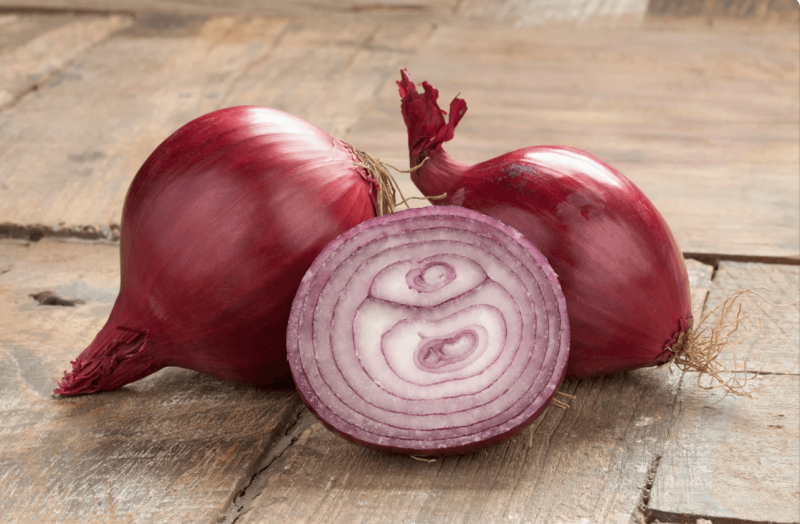
Bio-based UV filter extracted from onions could replace petroleum in solar cells, improving solar tech sustainability

Screenshot 2025-09-08 at 11.03.34 AM

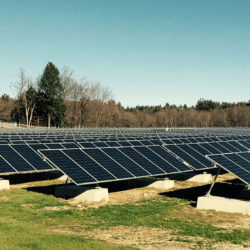
Solar power is one of the best tools in humanity’s decarbonization toolbox, but even these green energy technologies aren’t 100 percent sustainable. For example, solar cells only convert light in the visible and near-infrared part of the spectrum, and actually require UV filters (light below the 400 nanometers) to protect critical components like passivation layers and the underlying silicon.

Typically, commercial solar panels rely on petroleum-based filters made from polyvinyl fluoride (PVF) and polyethylene terephthalate (PET) to do this job. … In a recent study—carried out by scientists at University of Turku and Aalto University in Finland and Wageningen University in the Netherlands—found that an unlikely ally could aid us in our quest for a more biodegradable solar sensor.

Follow the latest news and policy debates on sustainable agriculture, biomedicine, and other ‘disruptive’ innovations. Subscribe to our newsletter.

In the study, published in the journal ACS Applied Optical Materials, scientists developed UV protection film using nanocellulose—a natural material typically harvested from bacteria or plants that just so happens to be the most abundant organic polymer on Earth.
[R]ed onion extract out performed them all, providing 99.9 percent UV protection. It even outperformed commercial PET filters.


This is an excerpt. Read the original post here

{{ reviewsTotal }}{{ options.labels.singularReviewCountLabel }}
{{ reviewsTotal }}{{ options.labels.pluralReviewCountLabel }}
{{ options.labels.noReviewsLabel }}
{{ options.labels.newReviewButton }}
{{ userData.canReview.message }}

Related Articles

Infographic: Global regulatory and health research agencies on whether glyphosate causes cancer

Infographic: Global regulatory and health research agencies on whether glyphosate causes cancer

Does glyphosate—the world's most heavily-used herbicide—pose serious harm to humans? Is it carcinogenic? Those issues are of both legal and ...

Most Popular

Picture1
Hiroshima at 81: America’s new nuclear bomb, a buried Iranian target, and a question no one wants to ask
Screenshot-2026-07-09-at-1.09.25-PM
Anti-vaccine myths rattle health care
ChatGPT-Image-Mar-10-2026-01_39_01-PM
Viewpoint—“Miracle molecule” debunked: Why acemannan supplements don’t work
Screenshot 2026-07-22 at 1.38
Viewpoint: Are the U.S. and Europe headed towards a repudiation of agricultural biotechnology red tape?
Screenshot 2026-07-28 at 3.43
Fat cat? GLP-1 weight loss drugs for animals are on the horizon
Screenshot 2026-07-28 at 3.22
Hidden hunger: Climate change is speeding up the decline of important nutrients in our food
ChatGPT Image Jul 29, 2026, 05_50_04 PM
Fear, science, and the law: If talc powder is unlikely to cause cancer and J&J was winning in court, why did it pay more than $5.5 billion to settle?
ChatGPT Image Jul 29, 2026, 10_14_27 PM
After muzzling RFK, Jr. over autism-vaccine conspiracy theories, Trump defies aides to push scares again
organic scaled
Facts & Fallacies podcast: Organic food cuts pesticide exposure? A response to Dr. Rhonda Patrick
Screenshot 2026-07-28 at 3.03
What is cyberchondria?
Screenshot 2026-07-29 at 1.03
Two food fads that have some merit: Chia seeds in almost everything and protein added to water
Screenshot 2026-07-27 at 6.15
No test, no tennis: Women’s Tennis Association becomes first major female sports league to require genetic sex testing
ChatGPT Image Jul 29, 2026, 06_26_01 PM 2
Facts & Fallacies podcast: Organic food myths make a comeback on Instagram, with Dr. Kevin Folta
glp menu logo outlined

Get news on human & agricultural genetics and biotechnology delivered to your inbox.