CRISPR poised to help jump-start space exploration

main moon concept b f b f bd
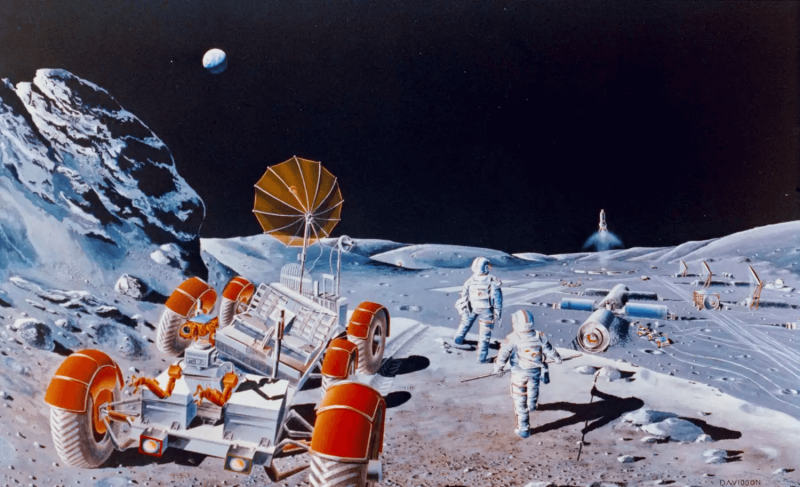
A NASA artist concept of future crews living and working on the Moon. Credit: NASA/Davidson

CRISPR holds significant potential for enhancing various aspects of space exploration and long-duration space missions. One of its promising applications is in developing radiation resistance.

In space, astronauts are frequently exposed to ionizing radiation, particularly galactic cosmic radiation, primarily composed of high-linear energy transfer (LET) particles that damage DNA.

This exposure increases the risk of cancer, central nervous system issues, and other diseases. CRISPR enhances DNA repair mechanisms in human cells, which make them more resistant to radiation, thus preventing mutations and long-term health effects such as cancer.

Additionally, CRISPR can help adapt the human body to microgravity. Microgravity affects the body in various ways, including causing muscle atrophy and loss of bone mineral density.


Follow the latest news and policy debates on sustainable agriculture, biomedicine, and other ‘disruptive’ innovations. Subscribe to our newsletter.

In agricultural development, CRISPR can enhance crop resilience to space environment stresses, such as low gravity, limited water availability, and high radiation, ensuring a sustainable food supply. It can also improve the nutritional content of space-grown crops to meet astronauts’ dietary needs.


This is an excerpt. Read the original post here

{{ reviewsTotal }}{{ options.labels.singularReviewCountLabel }}
{{ reviewsTotal }}{{ options.labels.pluralReviewCountLabel }}
{{ options.labels.noReviewsLabel }}
{{ options.labels.newReviewButton }}
{{ userData.canReview.message }}

Related Articles

Infographic: Global regulatory and health research agencies on whether glyphosate causes cancer

Infographic: Global regulatory and health research agencies on whether glyphosate causes cancer

Does glyphosate—the world's most heavily-used herbicide—pose serious harm to humans? Is it carcinogenic? Those issues are of both legal and ...

Most Popular

ChatGPT-Image-Mar-10-2026-01_39_01-PM
Viewpoint—“Miracle molecule” debunked: Why acemannan supplements don’t work
file-f-d-d-
Facts & Fallacies Podcast: Europe's AC debacle underscores fatal flaw in green activism
Screenshot 2025-09-17 at 12.41
Misinformation alert: No, glyphosate use in Canadian forests is not spurring more wildfires
ChatGPT-Image-Jul-9-2026-02_39_22-PM
Viewpoint: Polyphenols or NAD+ supplements to combat aging: No, Gwenyth Paltrow and followers, don’t waste your money.
ChatGPT-Image-Jul-8-2026-12_32_48-PM
Viewpoint: SCOTUS strikes a blow against junk science in Bayer glyphosate case. Will it deter mass tort litigators?
Screenshot 2026-07-11 094410
Growing animal muscle and fat cells inside rice grains and calling it beef: One of numerous genetically engineered products shaking up our ecosystem
ChatGPT-Image-Jul-6-2026-02_25_26-PM
40 million Americans take glucosamine. If you have memory loss, it could accelerate cognitive decline.
afb-a-b
As the EU loosens restrictions on agricultural gene editing, it remains years behind the rest of the world on equally-safe GMO foods
ChatGPT-Image-Jul-7-2026-01_57_55-PM
Viewpoint: Europe’s rejection of air conditioning is the poster child for misunderstanding how to mitigate the impact of climate change
ChatGPT-Image-Jul-17-2026-12_42_10-PM
Viewpoint: RFK, Jr. is setting up a panel to compensate people who claim they were injured by a COVID vaccine–no proof needed 
ChatGPT-Image-Jun-25-2026-12_23_17-PM
No, Bill Gates did not secretly engineer ticks to promote veganism
ChatGPT-Image-Jun-17-2026-03_29_08-PM
Viewpoint: What’s the impact of the U.S. abandoning support for global health?
ChatGPT-Image-Jul-1-2026-03_33_49-PM
‘Alternative’ cancer treatments that could kill you
glp menu logo outlined

Get news on human & agricultural genetics and biotechnology delivered to your inbox.