
When you see the word organic on a label, it’s easy to assume it means healthier, safer or more sustainable, but the truth is more nuanced. Organic food is defined by how it’s produced, not necessarily by its nutritional content.
…
In the UK, food and drink can only be labelled organic if they meet strict production and welfare standards. These rules cover everything from how crops are grown to how animals are raised.
Is organic food better for you?
It’s tempting to think so, but the evidence isn’t clear-cut. What we do know is that organic fruit and vegetables tend to have fewer pesticide residues, which many people prefer for peace of mind.
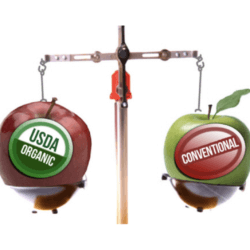


Some studies have suggested that organic crops contain slightly higher levels of certain nutrients, such as vitamin C, iron, magnesium and compounds like anthocyanins found in colourful fruit and veg, but results are inconsistent. The differences often depend on factors like soil health, farming methods, and how quickly food reaches your plate after harvest.