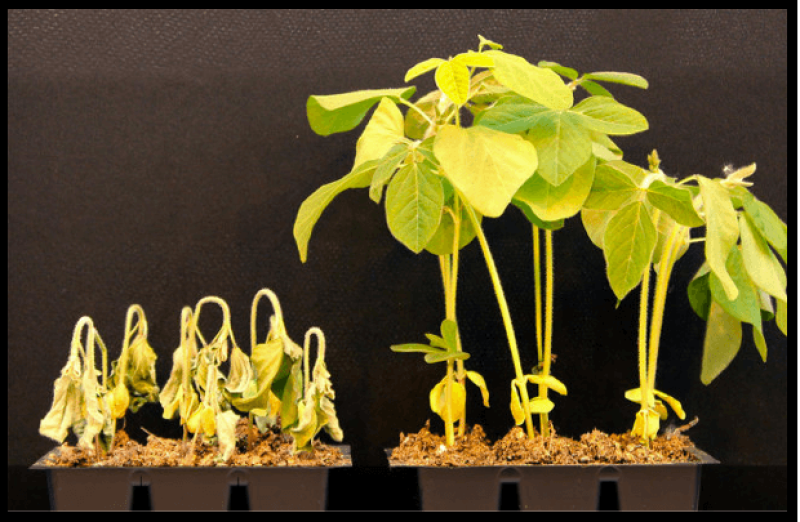
Rapid climate change has significantly impacted agricultural production, potentially affecting global food security. Scientists and policymakers worldwide have devised various strategies to overcome various agricultural challenges. Genetic engineering techniques are used to develop various crop strains, including rice, maize, tomato, potato, and wheat, which can withstand extreme climatic fluctuations.
…
Plants respond to changes in climatic conditions by triggering cellular signals that pass to different parts of the plant that need to adapt, such as the root system. Plant signals, in the form of proteins or genetic materials, travel through cellular systems via channels in the cell walls called plasmodesmata.
Researchers have identified carbohydrates that regulate when the channels open and close in response to different stimuli, allowing signals to pass through. This information enables them to tweak the plant’s behavior, as needed.
Through the precision of CRISPR techniques, scientists have successfully created crops with longer root systems, enabling them to thrive under scarce water resources while significantly increasing carbon storage.