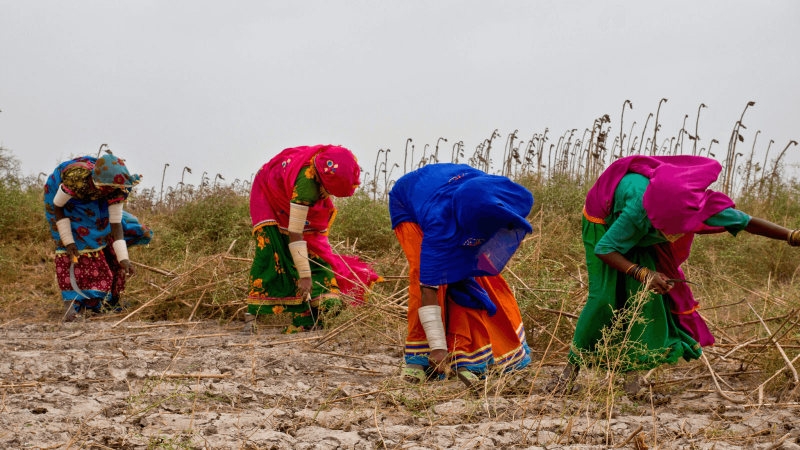

Today, more than 240 million Pakistanis rely on a farming model that is outdated, inefficient and increasingly vulnerable to extreme weather, pests and water shortages. The growing food security challenge can be addressed by embracing genetically modified (GMO) seeds.
Pakistan’s per capita water availability has plummeted from over 5,000 cubic metres in 1951 to less than 1,000 today, making the country ‘water-stressed’. At the same time, agriculture remains the largest user of water accounting for nearly 90pc of all withdrawals, and delivers poor productivity compared to global benchmarks.
…
GMO seeds are developed using modern biotechnology to withstand drought, resist pests and increase yields. They can grow with less water, require fewer chemical inputs and are more resilient to climate extremes — the kind of innovation Pakistan’s agricultural system needs.


The science is clear. The benefits are proven. The risks are manageable. What’s needed now is political leadership, regulatory clarity and public engagement. If Pakistan wants to become food secure then embracing biotechnology including GMO seeds is not just an option. It is a necessity.