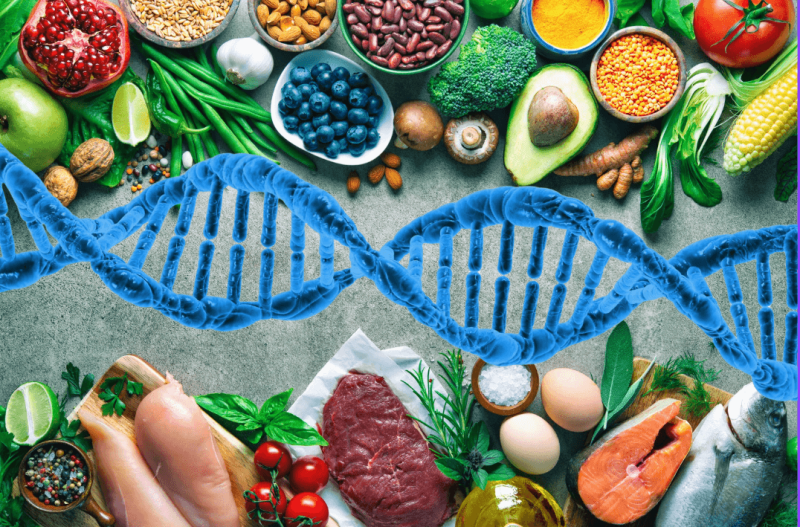
The binding interaction between taste receptors and food compounds drives our sensory preferences. Researchers are paving the way for personalized nutrition plans by examining food choices through a genetic lens.
“Each person is genetically at risk for a different set of conditions,” explained Joanne Cole, PhD, assistant professor of biomedical informatics at the University of Colorado Anschutz School of Medicine. “We should be targeting each individual’s genetic disease risk with disease-tailored lifestyle interventions.”
…
As a geneticist, Cole explores the biological layer behind our cravings and aversions. She has identified hundreds of regions in the human genome that are associated with food liking and intake. Across individuals, some of these genetic variations influence how strongly our receptors bind to specific food compounds.

As genomic research expands and becomes more representative, the potential to translate genetic insight into practical nutrition guidance will grow.
“You do in fact have some control over your health,” emphasized Cole. “If we can find rewarding, healthy foods for individuals to eat that target the diseases they’re at a high genetic risk for, we can come up with a great combination nutrition strategy.”