Corporate control, ecological challenges and food safety: Challenges await expansion of the gene-editing crop revolution

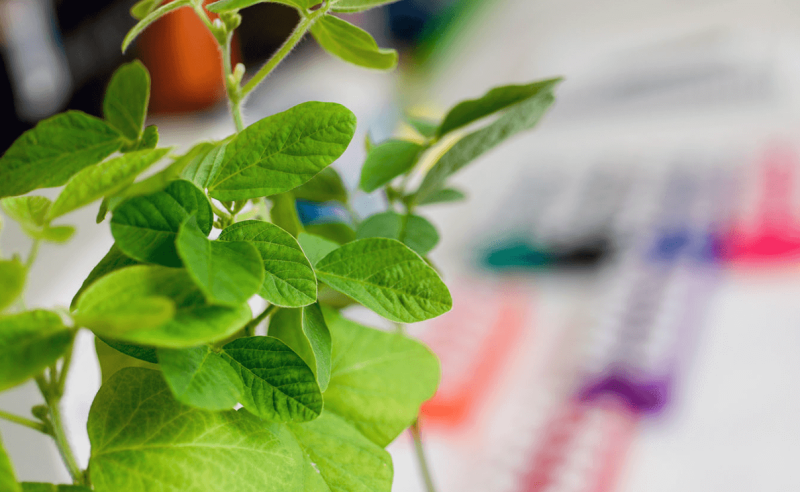
Credit: North Carolina State University

Ethical considerations surrounding genome editing are as complex as the science itself. As the debate rages on about the safety and long-term impacts of genetically modified organisms (GMOs), genome editing presents a unique paradigm. Proponents argue that because genome editing is a more precise tool, it poses fewer risks for unpredictable changes compared to conventional genetic modification techniques. Nonetheless, apprehensions about potential ecological impacts, food safety, and corporate control over agricultural resources persist and require a multifaceted dialogue among scientists, policymakers, and the public.

Follow the latest news and policy debates on sustainable agriculture, biomedicine, and other ‘disruptive’ innovations. Subscribe to our newsletter.

The regulatory landscape is evolving to accommodate these new technologies. Various countries have begun to formulate guidelines that distinguish between traditional GMOs and crops developed through genome editing. The nuances in these regulations can determine the pace at which genome-edited crops are brought to market, influencing research funding and industry interest. As nations navigate these uncharted waters, a common goal should be to ensure the safe adoption of genome editing while fostering innovation.

This is an excerpt. Read the original post here


{{ reviewsTotal }}{{ options.labels.singularReviewCountLabel }}
{{ reviewsTotal }}{{ options.labels.pluralReviewCountLabel }}
{{ options.labels.newReviewButton }}
{{ userData.canReview.message }}

Related Articles

Infographic: Global regulatory and health research agencies on whether glyphosate causes cancer

Infographic: Global regulatory and health research agencies on whether glyphosate causes cancer

Does glyphosate—the world's most heavily-used herbicide—pose serious harm to humans? Is it carcinogenic? Those issues are of both legal and ...

Most Popular

Picture1
The FDA couldn’t find a vaccine safety crisis, so it buried its own research
Screenshot-2026-04-22-at-12.21.32-PM
Viewpoint: Why the retracted Monsanto glyphosate study doesn’t change the science—the world’s most popular herbicide is safe 
Screenshot-2026-05-19-at-11.23.34-AM
West-originated vaccine disinformation sparks murders of health care workers across Africa
Screenshot-2026-05-08-at-11.55.47-AM
Anti-vax activists falsely blame COVID vaccines for the rising U.S. cancer rate among younger people.
ChatGPT-Image-Apr-16-2026-02_56_53-PM
Financial incentives, over diagnosis, and weak oversight: Autism claims are driving up Medicare costs
ChatGPT-Image-May-7-2026-12_32_36-PM
Viewpoint: The state of U.S. vaccine policy? Dismal nationally, but some states are stepping up.
ChatGPT-Image-May-12-2026-11_27_01-AM-2
AI likely to improve health care, research shows—but not for blacks and ethnic minorities
modi visit sikkim
Viewpoint: Indian PM wants farmers to switch to 50% organic. It would take at least 10 years, likely won’t work, and isn’t more sustainable
Screenshot-2026-04-13-at-1.39.26-PM
Viewpoint: ‘Safer for children?’ Stonyfield yogurt under fire for deceptive organic marketing
ChatGPT-Image-May-18-2026-12_06_18-PM-2
Defying death: The immortality movement goes mainstream
glp menu logo outlined

Get news on human & agricultural genetics and biotechnology delivered to your inbox.