There’s a dangerous mismatch between our biology and the tech-saturated world we inhabit—and it might be killing us. That’s the provocative thesis advanced by a coalition of evolutionary biologists who say it’s time for humans to get back to nature.
The story goes something like this: humans evolved in hunter-gatherer settings, facing acute, intermittent stressors like predator encounters that triggered intense fight-or-flight responses followed by recovery. These environments fostered physiological adaptations suited to natural rhythms, physical activity, and periodic challenges.
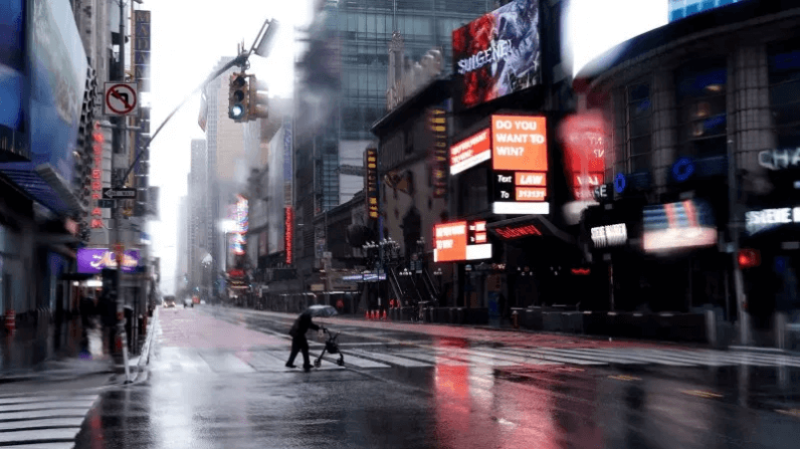
In contrast, today’s industrialized, urbanized world—home to over 4.5 billion people, projected to reach 6.5 billion by 2050—imposes a constant stream of low-level stressors, from traffic noise to relentless digital stimulation. Evolutionary anthropologist Colin Shaw of the University of Zurich argues this “mismatch” places a chronic stress load on our bodies, as our nervous systems react to modern pressures “as though all these stressors were lions… you have this very powerful response… but no comedown.”
This mismatch manifests in widespread health declines. Physically, it likely contributes to elevated blood pressure, weakened immune function, rising autoimmune diseases, and plummeting fertility rates, with sperm counts and motility dropping since the 1950s. Mentally, constant stimulation impairs cognitive function and sustains tension.
Shaw and his colleagues speculate that environmental factors like pesticides and microplastics are overlooked drivers of these harms, though they wrongly exaggerate the risks posed by these technologies and, more importantly, the higher living standards they enable—including free time to explore nature.
However, many harmful effects attributed to modern environments are probably amplified by the erosion of traditional social bonds and community structures. The rise of our modern, globalized civilization hasn’t just altered our environment but rapidly weakened intermediate associations—such as family, neighborhood, church, and community groups—that once provided meaning, security, and mutual support.
This complementary thesis suggests that our hardwired need for community remains vital to our well-being, and its increasing absence in contemporary society compounds health declines far beyond environmental factors alone.




Join Dr. Liza Lockwood and Cam English on this episode of Facts and Fallacies as they take a closer look at the risks and benefits of industrialized society:
Podcast: Play in new window | Download
Subscribe: RSS
Dr. Liza Lockwood is a medical toxicologist and the medical affairs lead at Bayer Crop Science. Follow her on X @DrLizaMD
Cameron J. English is the director of bio-sciences at the American Council on Science and Health. Follow him on X @camjenglish