MAHA’s special protein-focused formula for skin care: Beef tallow and salmon sperm. How could they be wrong?

Credit:Bullbee
Credit:Bullbee

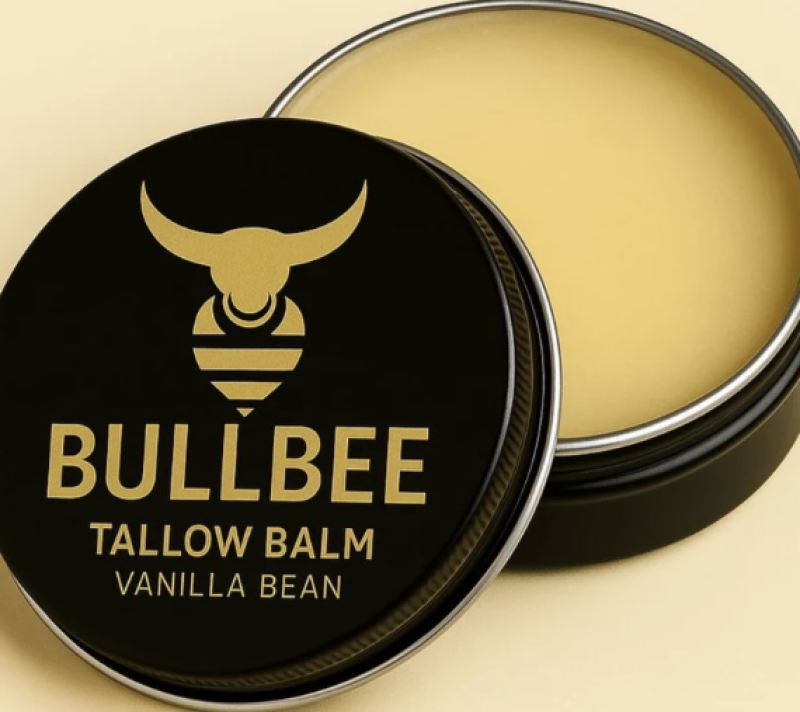
From moisturizers made with beef tallow to salmon sperm facials, consumers have become more interested in animal-based skin care products in recent years. Promoted as natural alternatives to synthetics, they’re gaining popularity across social media and high-end spas as well as at farmers’ markets and in home kitchens.

Some experts connect the products’ rise to an increased focus on the health impact of chemicals, as well as pro-meat messaging from the Make America Healthy Again movement.

“There’s been a movement in the last couple of years to embrace animal-based foods,” said Norah MacKendrick, an associate professor of sociology at Rutgers University who has studied why consumers are worried about chemicals in their personal care products. “I think some of that is probably spilling over into the cosmetic world.”

Follow the latest news and policy debates on sustainable agriculture, biomedicine, and other ‘disruptive’ innovations. Subscribe to our newsletter.

Turning waste from an animal product into something people use is certainly an example of sustainability, experts said.

But neither beef tallow nor salmon sperm have robust medical data to support their effectiveness, said Dr. Angelo Landriscina, a New York City dermatologist who has taken to social media to debunk what he sees as skin care misinformation.

This is an excerpt. Read the original post here

{{ reviewsTotal }}{{ options.labels.singularReviewCountLabel }}
{{ reviewsTotal }}{{ options.labels.pluralReviewCountLabel }}
{{ options.labels.newReviewButton }}
{{ userData.canReview.message }}

Related Articles

Infographic: Global regulatory and health research agencies on whether glyphosate causes cancer

Infographic: Global regulatory and health research agencies on whether glyphosate causes cancer

Does glyphosate—the world's most heavily-used herbicide—pose serious harm to humans? Is it carcinogenic? Those issues are of both legal and ...

Most Popular

Screenshot-2026-04-13-at-1.39.26-PM
Viewpoint: ‘Safer for children?’ Stonyfield yogurt under fire for deceptive organic marketing
Screenshot-2026-04-22-at-10.46.29-AM
Viewpoint: How to counter science disinformation? Science journalist offers 12 practical tips
ChatGPT-Image-May-7-2026-12_16_37-PM-2
Viewpoint: Are cancer rates ‘skyrocketing’ as RFK, Jr. and MAHA claim? The evidence says mostly the opposite
Picture1-14
When superbugs threaten vulnerable children: Can AI help solve antibiotic resistance?
ChatGPT-Image-May-12-2026-08_39_41-PM
GLP podcast: Big Pharma, Big Ag, Big Food—health harming industries or life-saving innovators?
Screenshot-2026-04-23-at-11.00.36-AM
Regulators' dilemma: Thalidomide, Metformin, and the cost of getting drug approvals wrong
Picture1-1
Cooling the planet with balloons: Could a geoengineering gamble slow global warming?
png-pill-omega-Supp-fish-oil
Millions take omega-3 fish oil for brain health. New research suggests it may do the opposite.
glp menu logo outlined

Get news on human & agricultural genetics and biotechnology delivered to your inbox.