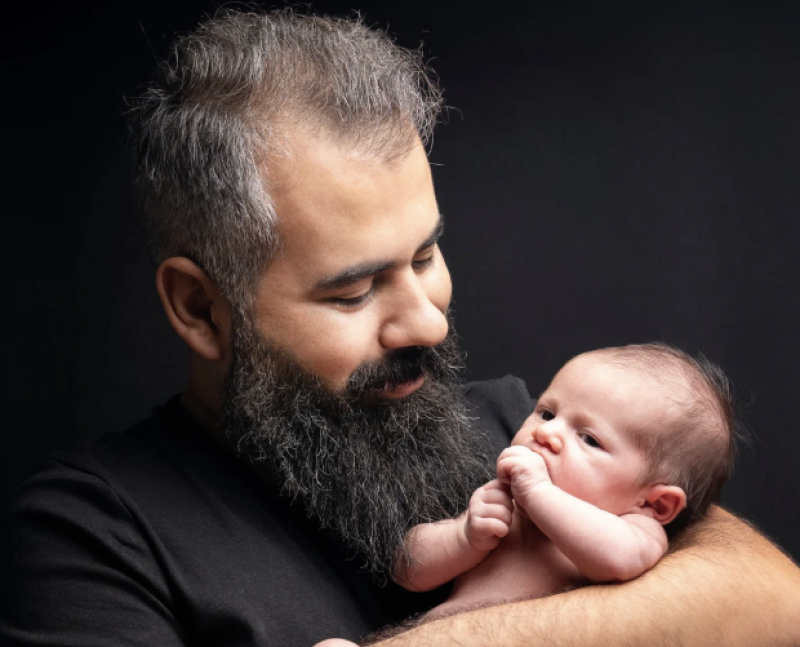

… By the time [anthropologist Lee] Gettler looked into this field, it was already an established fact that fathers had lower testosterone than men without kids.
“But there’s a chicken and the egg problem there, right?” Gettler explained to me. “Are low testosterone men more likely to become fathers? Or does the transition to fatherhood kind of lead to this cascade of biological changes in men?”
To answer this question and others, Gettler teamed up with the scientists running a decades-long project in Cebu City, Philippines.
…
When the results came back, the answer to both questions was “yes”. …
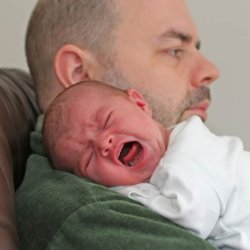



But when does this happen? …
“My assumption,” [said James K. Rilling, the director of the Laboratory for Human Social Neuroscience at Emory University], “was that it would happen during the postnatal period after fathers spent some time interacting with their infants.”
What they found surprised them. When they tested expectant fathers only four months after conception, two hormones were already lower than in their control group: testosterone and vasopressin. “And what’s interesting is that the lower their testosterone, the more involved they become with the mother and infant postnatally.”