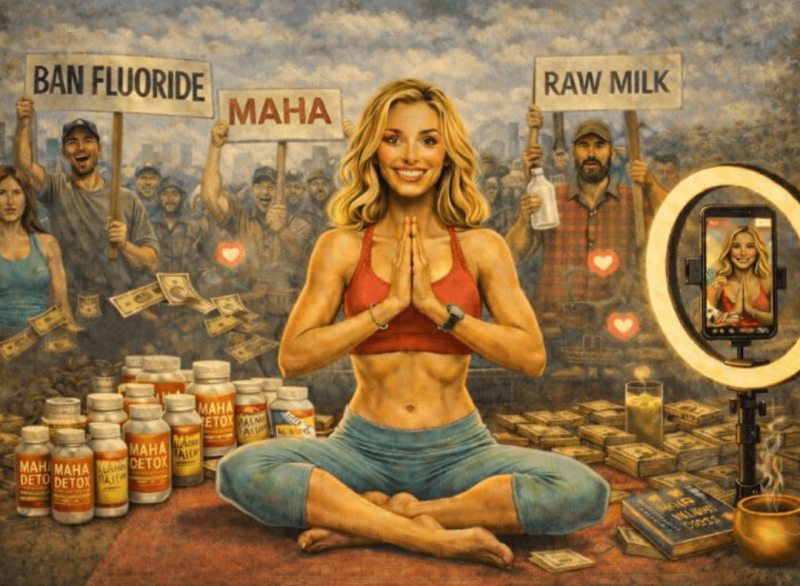
Evaluating a health claim often comes down to a few questions that most people were never taught to ask.
The first is who is making the claim, because expertise only helps when it matches the subject being discussed. In an interview with The Guardian, Danielle Shine, a registered dietitian and Ph.D. candidate studying nutrition misinformation, warned that “just because someone lists letters after their name doesn’t automatically make them credible.”
The next question is what kind of evidence supports it, since peer-reviewed research has been tested in a way personal testimony has not.
…

A claim that promises a miracle cure or guaranteed result is asking readers to trust certainty before evidence. The same is true when a wellness trend leans too hard on buzzwords like detox or biohack without explaining what is being measured.
Cherry-picked studies create another warning sign, especially when a single finding is treated like settled science. And when fear or urgency pushes people to act before they can think, the claim deserves even more scrutiny.