It’s not child’s play: Teaching a computer to use language requires an inhuman amount of data—and it still learns much more slowly than kids

Chatting naturally with a computer now feels routine, but as MIT Technology Review’s Elise Cutts reports, the large language models behind that fluency are shockingly data-hungry compared to human toddlers. Meta’s Llama 3.1 trained on 15 trillion tokens; a preteen raised in a language-rich home hears something like 100 million words. “We still have to burn down a forest and scrape the entire sum of all human knowledge to re-create this milestone that happens in our living rooms over the course of a year,” says Stanford cognitive scientist Michael Frank.

Mis- and disinformation are distorting science and public policy. Subscribe to our Daily and Weekly Digests for incisive coverage of ‘disruptive’ innovations in AI, agricultural biotechnology, food, chemicals, nuclear energy, vaccines, and other disruptive innovations.

Closing the gap

Researchers are now using children’s own learning process as a blueprint. The BabyLM competition, founded by linguist Alex Warstadt, challenges teams to train models on just 100 million “developmentally plausible” words drawn from storybooks and child-directed speech. Meanwhile, projects like Princeton’s newly detailed 1,000-day home-recording study aim to capture what children actually see and hear. As Georgetown’s Ethan Wilcox puts it, “Claude has seen the amount of language that an entire city will experience in one generation” — humans still learn it in a living room.
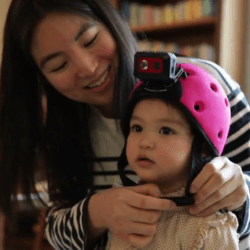
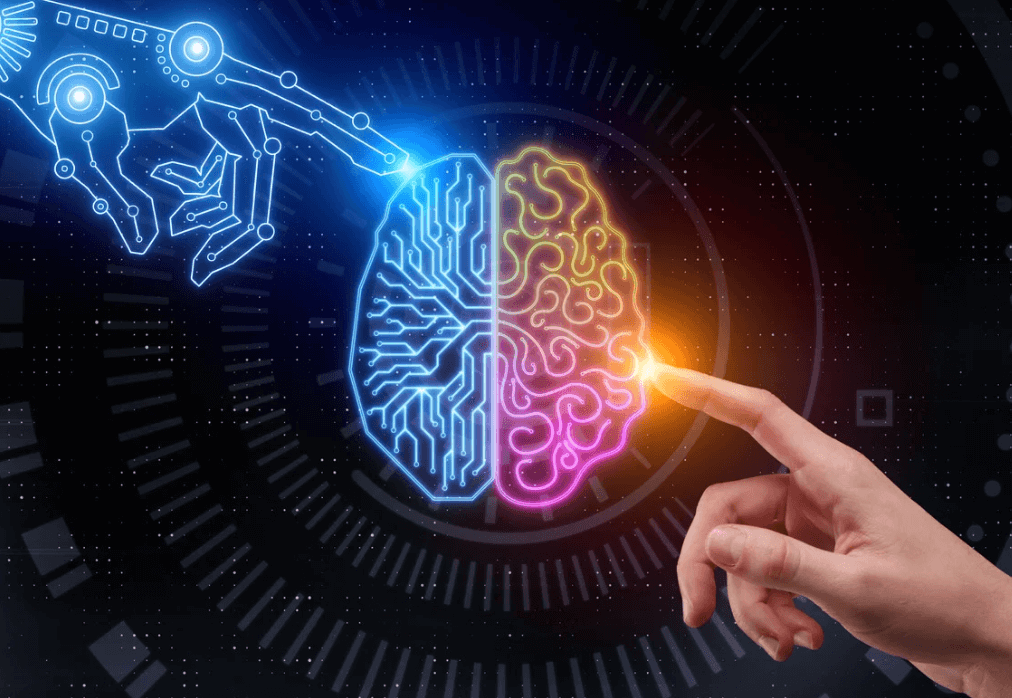
Illustration of AI chatbot and human brain activity
Related on the SLP
ChatGPT and other generative AI suppresses brain activity. Is it slowly making us stupid?

Read the original article here

Related Articles

Infographic: Global regulatory and health research agencies on whether glyphosate causes cancer

Infographic: Global regulatory and health research agencies on whether glyphosate causes cancer

Does glyphosate—the world's most heavily-used herbicide—pose serious harm to humans? Is it carcinogenic? Those issues are of both legal and ...

Most Popular

Neon Syringe Portrait with BPC-157
Viewpoint: Peptides and medical freedom: The MAHA obsession that can damage your health
ChatGPT-Image-Mar-10-2026-01_39_01-PM
Viewpoint—“Miracle molecule” debunked: Why acemannan supplements don’t work
Screenshot 2026-07-29 at 10.40
The COVID vaccine turbo cancer scare is back. Science still proves it’s wrong.
Screenshot 2026-10-28 at 10.11
We're likely over-consuming the world's most profitable nutrient – and it’s wrecking our waistlines.
Screenshot 2026-10-27 at 10.32
“Do your own research”: What Medicare’s annual open enrollment circus teaches us about the seductive trap of DIY health and science
Screenshot 2026-10-20 at 1.37
Race against food rot: How AI and gene editing could slash fruit and vegetable waste
Screenshot-2026-10-29-at-10.31.49-AM
Solar engineering to cool the planet might well work. Could it touch off a geoengineering arms race?
Strawberry Clamshell with Warning Sticker
Viewpoint: Activists hype ‘dangerous level’ of pesticide residues in Driscoll berries: Separating health concerns from fear-mongering
glp menu logo outlined

Get news on human & agricultural genetics and biotechnology delivered to your inbox.