The federal government is about to attempt what nutrition scientists haven’t managed: a workable definition of “ultra-processed food.” HHS Secretary Robert F. Kennedy Jr. announced his department is finalizing the first official U.S. definition, as Nicholas Florko for The Atlantic reports, though the wording remains under White House review.
Three systems, three different answers
That’s tricky, because researchers can’t agree either. Brazil’s NOVA system flags any food with industrial ingredients as ultra-processed; a UNC system instead asks whether a food is “no longer recognizable” as its original source; a French system weighs sugar, salt, fat, and additive risk. Flavored yogurt lands differently under each one.
Kennedy is also pushing a rule requiring companies to notify the FDA when they add new ingredients, closing a loophole behind roughly 10,000 additives already in the food supply. “If you can’t define a problem, you can’t solve it,” he said.

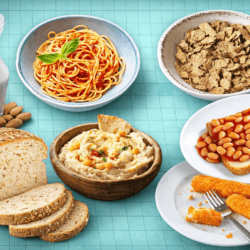



Yet the science behind why these foods might be harmful stays thin: a 2019 study in Cell Metabolism linked ultra-processed diets to overeating and weight gain, but no one knows which ingredient is to blame. Get the definition wrong, and it could cost as much as having none.
|
Related on the SLP
Viewpoint: Tampering down hysteria on ultra-processed foods
|