
The White House is drafting an executive order that would create an external committee with power to veto National Institutes of Health grants that don’t align with President Trump’s political agenda, according to The New York Times’ Carolyn Y. Johnson, Sheryl Gay Stolberg and Tony Romm, citing people familiar with a contentious White House meeting.
The order, drafted by the Office of Management and Budget, would hand political overseers new leverage over the agency’s $48 billion portfolio. NIH spokesman Joshua Pradko declined to detail the meeting but said, “N.I.H. remains committed to its mission of funding biomedical research to benefit the health of the American people,” adding, “There will be no rescissions to N.I.H. grant monies. All N.I.H. grant monies will be spent.”
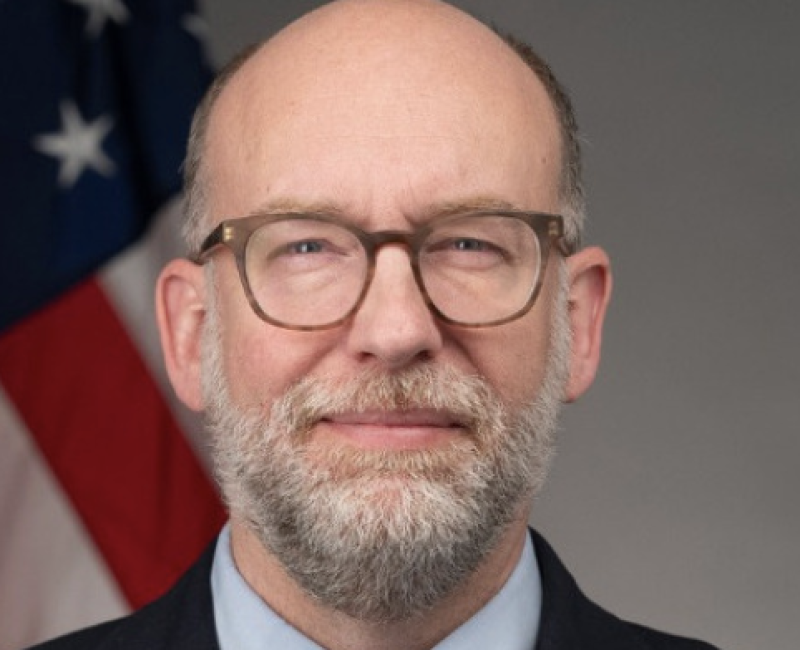
The plan brought a months-long clash into the open between OMB Director Russell Vought, who wants tighter political control over grant approvals, and NIH Director Jay Bhattacharya, who has resisted, according to two people close to Bhattacharya. Vought reportedly accused Bhattacharya of funding diversity- and equity-related projects, and separately pushed unsuccessfully for access to unspent fiscal-year funds.
The dispute traces back to Trump’s first-day order ending federal DEI programs, which has complicated NIH-funded research into “health disparities” — including work Bhattacharya himself once conducted. As a Stanford economist, he co-authored a 2011 study, published in Circulation, finding Black heart-transplant recipients faced higher mortality risk than white patients. Still, as director, he has backed cutting grants he considers “politicized expressions of devotion to a particular ideology” rather than “good science.”




A related OMB proposal to embed political review across all federal grant-making was blocked by bipartisan lawmakers earlier this year. Separately, the ACLU filed a class-action suit last week for researchers studying health disparities, Alzheimer’s and sexual harassment, arguing NIH’s screening violates scientists’ free-speech rights: “What the First Amendment does not allow is the government’s use of its funding power to target or silence the expression of disfavored viewpoints within the biomedical research community.”