


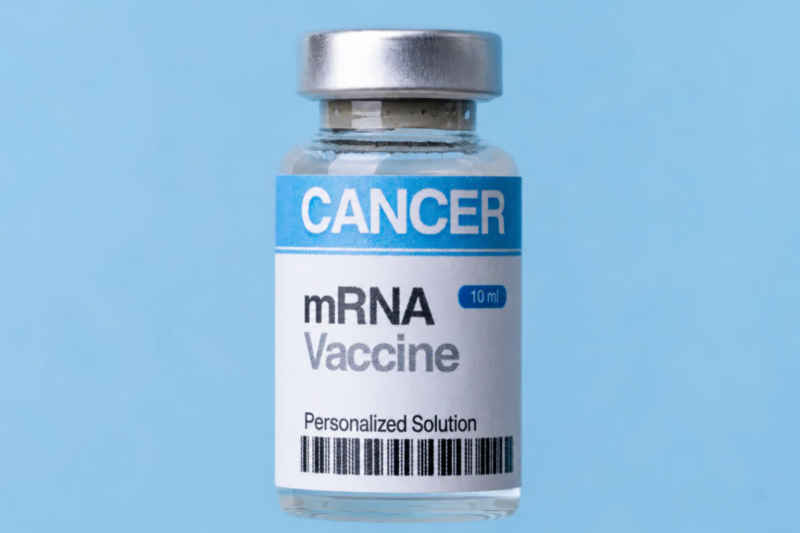

Personalized mRNA vaccines that train the immune system to hunt a patient’s own tumor mutations are nearing approval, but, as Pharma Voice’s Alexandra Pecci reports, building them may prove harder than discovering them. Merck and Moderna’s melanoma vaccine, intismeran autogene, recently met its primary endpoints in the phase 3 INTerpath-001 trial when paired with Keytruda.
That shifts the question from “does it work?” to “can anyone make it at scale?” Every dose starts with a tumor biopsy and genetic sequencing, followed by custom mRNA encoding up to 34 neoantigens unique to that patient.
“This is n-of-1 production, and it’s kind of flipping conventional manufacturing entirely on its head,” said Amy Walker, CEO of synthetic DNA company 4basebio. Instead of scaling up giant batches, manufacturers must “scale out” many tiny ones. Moderna says it has automated parallel production with a turnaround of a few weeks, and its Marlborough, Massachusetts, facility began supplying clinical batches in September 2025. The industry’s target is six to eight weeks from biopsy to first dose.
Cost is the other looming hurdle. “The price point really matters on these therapies,” Walker said. History offers a warning: Provenge, the only FDA-approved personalized cancer vaccine, initially cost close to 77% of its selling price to manufacture, and its maker, Dendreon, filed for bankruptcy less than five years after launch.
Biology isn’t cooperating everywhere, either. Personalized vaccines used on their own have had a mixed record, as a review published in Signal Transduction and Targeted Therapy details. BioNTech and Genentech recently ended a phase 2 trial of autogene cevumeran as a standalone colorectal cancer treatment after monitors flagged a numerical imbalance in overall survival.




Colorectal tumors are typically immunologically “cold,” giving the immune system fewer targets. Melanoma sits at the other extreme. “A hot tumor has a lot of tumor mutational burden,” Walker explained.


























