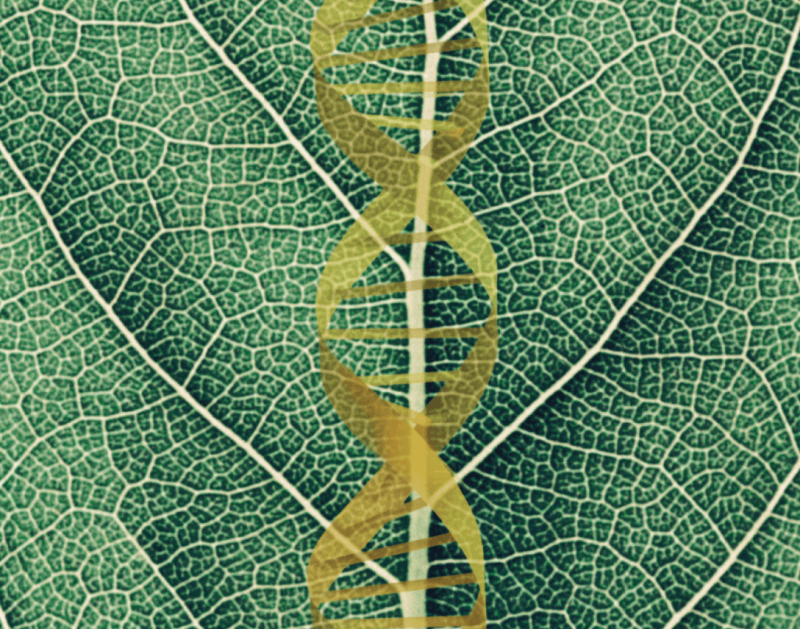

You might think that plants grow according to how much nutrition, water and sunlight they are exposed to, but new research by Dr Nick Pullen and a team from the John Innes Centre, UK shows that the plant’s own genetics may be the real limiting factor.
“This could have potentially big implications for the agricultural industry,” says Dr Pullen, “Our model plant is in the same family as cabbages, so it’s easy to imagine creating giant cabbages or growing them to the desired market size faster than at present.”
It was previously assumed that plant growth was generally resource-limited, meaning that plants would only grow as large and fast as they could photosynthesise. However, Dr Pullen and his team present evidence that plant growth is actually “sink-limited”, meaning that genetic regulation and cell division rates have a much bigger role in controlling plant growth than previously thought: “We are proposing that plant growth is not physically limited by Net Primary Productivity (NPP) or the environment, but instead is limited genetically in response to these signals to ensure they do not become limiting.”
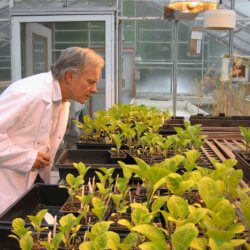



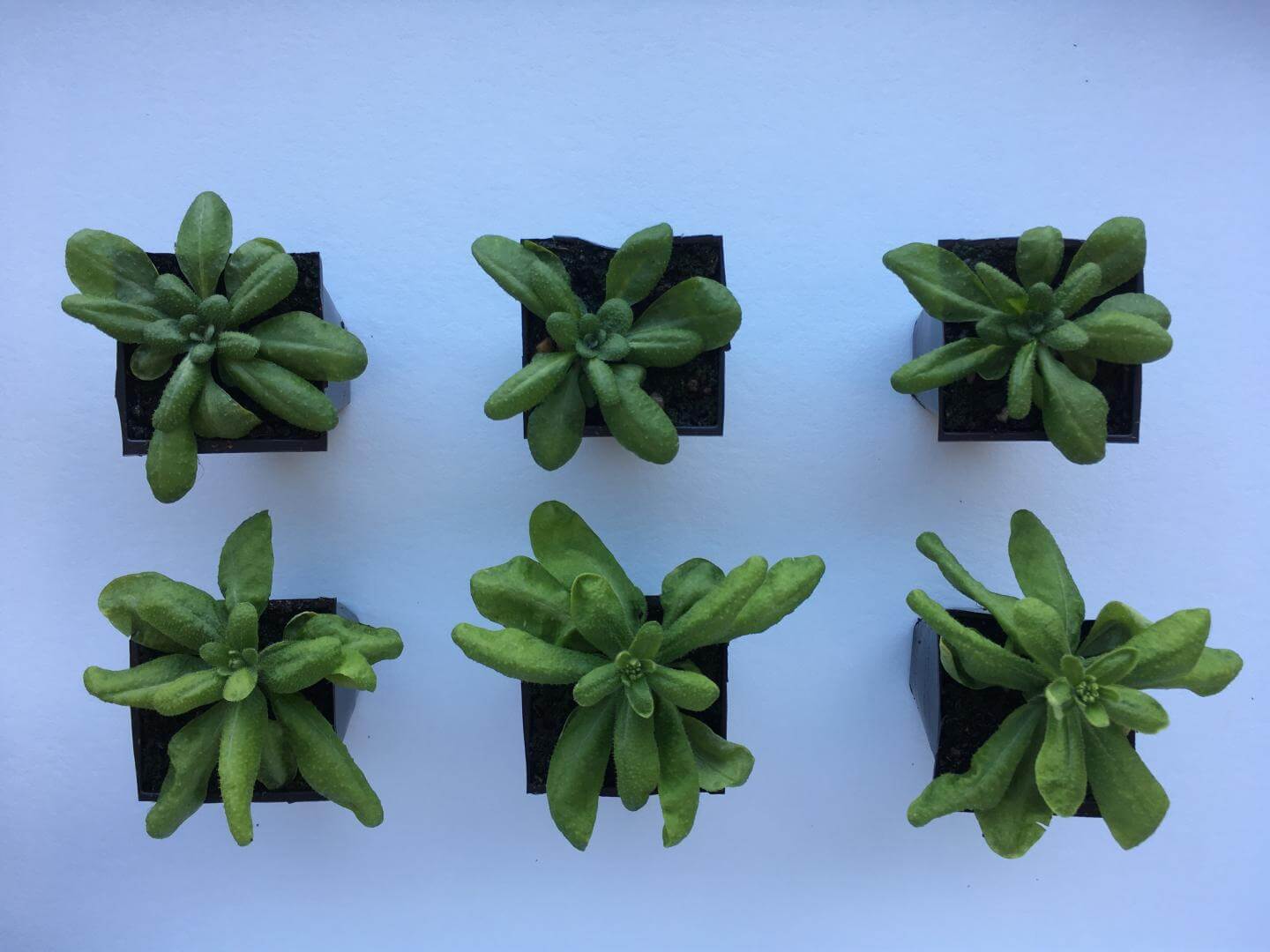
By genetically altering the growth repressors in Arabidopsis, Dr Pullen and his team were able to create mutant strains. They identified the metabolic rates of the different plant strains by measuring rates of photosynthesis and respiration, as well as comparing the size and weight of the plants to monitor differences in physical growth.
The GLP aggregated and excerpted this blog/article to reflect the diversity of news, opinion, and analysis. Read full, original post: Genetics may lie at the heart of crop yield limitation