GMO nitrogen-fixing microbes could one day help plants fertilize themselves

microbes

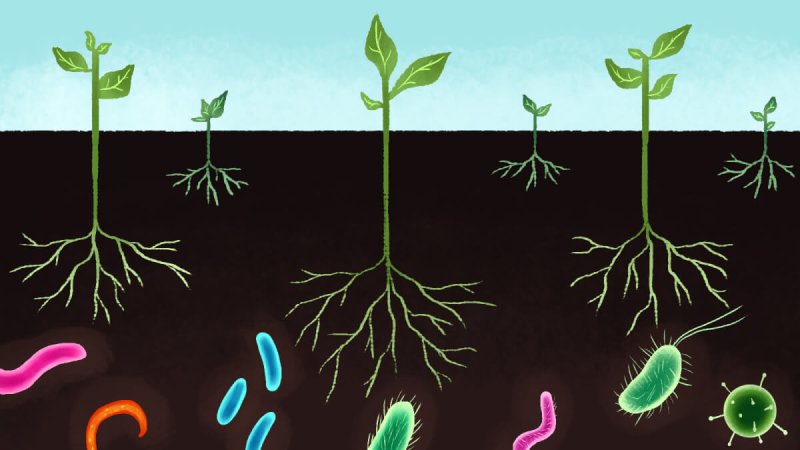
Peanuts, peas, and many types of beans are climate-friendly because they basically make their own fertilizer. They play host to a special class of microbes called nitrogen fixers that invade the root hairs of their host plants, forming knobby nodes and converting free nitrogen in the soil to ammonia… Most of the world’s biggest food crops—corn, wheat, rice—aren’t so hospitable to nitrogen-fixers. Which is why they require so much artificial fertilizer to grow.

Or, you could engineer a host of microbes that have all the nitrogen-fixing power of the peanut’s follicular friends, but with the ability to colonize the roots of any plant. Then you could paint that bacteria onto shelf-stable seeds and ship them anywhere in the world…On Thursday, German biochem giant Bayer announced it was joining forces with Ginkgo Bioworks, a Boston-based synthetic biology shop, to create a new venture to wean the world off fertilizers.

…
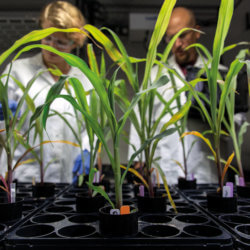
Ultimately, this group is trying to design a bacteria that combines nitrogen-fixing skills with seed coat strengths—it’s got to be able to survive without water for long periods of time and then activate as soon as it gets wet.

The GLP aggregated and excerpted this article to reflect the diversity of news, opinion and analysis. Read full, original post: With Designer Bacteria, Crops Could One Day Fertilize Themselves


Related Articles

Infographic: Global regulatory and health research agencies on whether glyphosate causes cancer

Infographic: Global regulatory and health research agencies on whether glyphosate causes cancer

Does glyphosate—the world's most heavily-used herbicide—pose serious harm to humans? Is it carcinogenic? Those issues are of both legal and ...

Most Popular

Nurturing Care Beneath the Crunchy Moms Logo
Crunchy Moms disinformation flood: Zuckerberg's Facebook has opened floodgates on measles and vaccines
Screenshot-2026-11-16-at-2.37.32-PM
30 years of GMO farming: Is the boom in glyphosate and glufosinate use harming the environment? Data show they’re the most sustainable choice
Stormlit Portrait Over Golden Mountains
Searching for life where no one thought to look: A renowned astrophysicist’s seemingly quixotic quest to explore Venus’s clouds
Soybean Harvest in Cupped Hands
30 years of GMO farming: Defying cynics, we’ve had larger harvests, lower costs, and $385 billion in added global farmer income
Screenshot-2026-11-19-at-7.54.57-PM
European General Court sides with scientists, dismisses activist claims that glyphosate is toxically dangerous
ChatGPT-Image-Mar-10-2026-01_39_01-PM
Viewpoint—“Miracle molecule” debunked: Why acemannan supplements don’t work
Screenshot-2026-11-19-at-7.23.23-PM
Viewpoint: After a yearlong hiatus, the U.S. Preventive Services Task Force is back in business—gutted by RFK Jr. and promoting junk science
Screenshot-2026-11-17-at-12.18.09-PM
Challenging glyphosate fear-mongering: Statewide Nebraska study finds no link between weedkiller use and non-Hodgkin lymphoma
Screenshot-2026-11-18-at-2.44.24-PM
Why should thousands of Americans die every year waiting for a kidney transplant? There’s an easy fix to this morbid reality
glp menu logo outlined

Get news on human & agricultural genetics and biotechnology delivered to your inbox.