Jon Entine podcast: Corruption and secrecy behind IARC’s glyphosate cancer designation?

IARC ques x

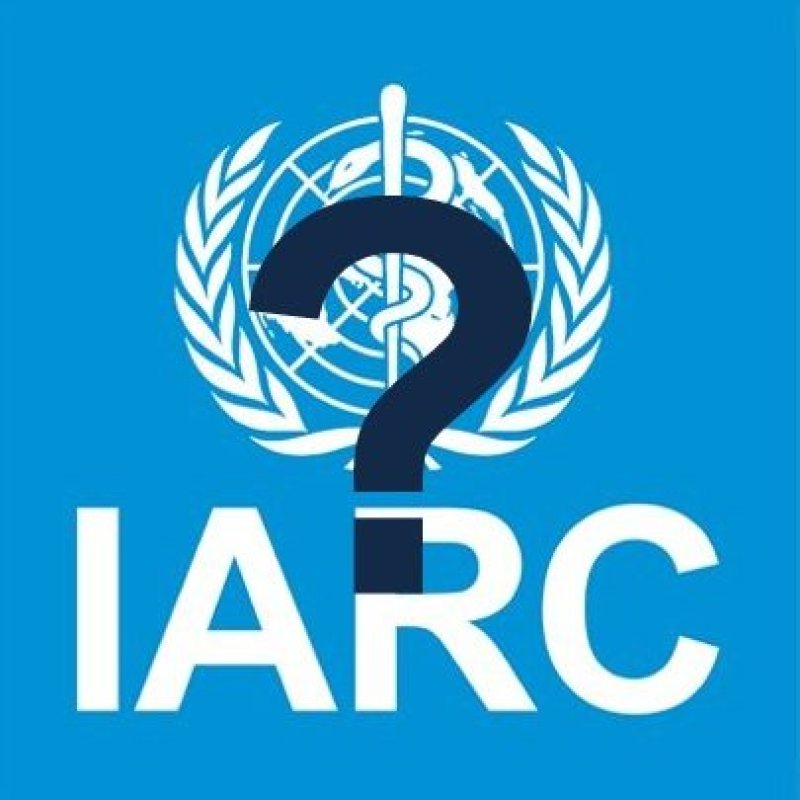
In 2015 the International Agency for Research on Cancer (IARC) released a report declaring that the popular herbicide glyphosate is a “probable carcinogen.” The agency’s conclusion contradicts the view of every respected scientific body that has weighed in on the issue, and experts have long argued that IARC is sympathetic to anti-chemical activists who erroneously believe that glyphosate is toxic.

Just last week, it came to light that one of the experts on IARC’s glyphosate panel, Christopher Portier, was a paid consultant to lawyers who are suing Monsanto and is, in fact, not even an expert on glyphosate. Moreover, the 2015 report intentionally excluded research that contradicts IARC’s conclusion that the herbicide is carcinogenic, according to Reuters. 

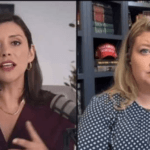
On this episode of the show, science writer Jon Entine joins me to discuss this example of what appears to be corruption and secrecy at IARC and what it means for the debate around biotechnology and agriculture. Entine is the founder of the Genetic Literacy Project, an effort “to promote public awareness and constructive discussion of genetics, biotechnology, evolution and science literacy.” He is also the author of two bestselling books, and his work has appeared or been profiled in the New York Times, Wall Street Journal, Financial Times and the Washington Post.

Resources:

Interview by science journalist Cameron English. His website is here.

Jon Entine is executive director of the Genetic Literacy Project. Follow him on Twitter.

{{ reviewsTotal }}{{ options.labels.singularReviewCountLabel }}
{{ reviewsTotal }}{{ options.labels.pluralReviewCountLabel }}
{{ options.labels.newReviewButton }}
{{ userData.canReview.message }}

Related Articles

Infographic: Global regulatory and health research agencies on whether glyphosate causes cancer

Infographic: Global regulatory and health research agencies on whether glyphosate causes cancer

Does glyphosate—the world's most heavily-used herbicide—pose serious harm to humans? Is it carcinogenic? Those issues are of both legal and ...

Most Popular

ChatGPT-Image-Mar-10-2026-01_39_01-PM
Viewpoint—“Miracle molecule” debunked: Why acemannan supplements don’t work
ChatGPT-Image-Jul-8-2026-12_32_48-PM
Viewpoint: SCOTUS strikes a blow against junk science in Bayer glyphosate case. Will it deter mass tort litigators?
afb-a-b
As the EU loosens restrictions on agricultural gene editing, it remains years behind the rest of the world on equally-safe GMO foods
Screenshot-2026-07-08-at-9.36.03-AM
Viewpoint: Long-contained diseases are on the rise in the U.S. Are Trump cuts to blame?
ChatGPT-Image-Jun-25-2026-12_23_17-PM
No, Bill Gates did not secretly engineer ticks to promote veganism
Viewpoint: Consensus as truth? How ‘misinformation police’ control policy narratives
Which among war, weather and cyber attacks is the biggest world threat? None of the above. It’s misinformation, and here’s why.
Screenshot-2026-07-10-at-2.02.54-PM
Viewpoint: In abortion-restricting Florida, misinformation abounds when Republican congresswoman faces an ectopic pregnancy
ChatGPT-Image-Jul-7-2026-01_57_55-PM
Viewpoint: Europe’s rejection of air conditioning is the poster child for misunderstanding how to mitigate the impact of climate change
Gemini_Generated_Image_gabo48gabo48gabo
Viewpoint: A plastic surgeon on why banning gender-transition surgery without further research is wrong and harmful
Screen-Shot-at-PM-pe-vra-kipgaprbdo-vd-ms-jpule-n-jqqaxf-l-e
Viewpoint: Will new breeding techniques help make European agriculture more competitive?
Screenshot 2026-07-11 100209
Viewpoint: Supplements to clean your liver? Not a good idea.
c9f0a584-46e9-4dd8-9a77-f5f5a7a51a84
Across Eastern Europe, science disinformation has spread far beyond COVID and vaccine denialism. Here’s the grim list.
glp menu logo outlined

Get news on human & agricultural genetics and biotechnology delivered to your inbox.