Improving the health of dairy cows using gene edited breeding–What are the issues?

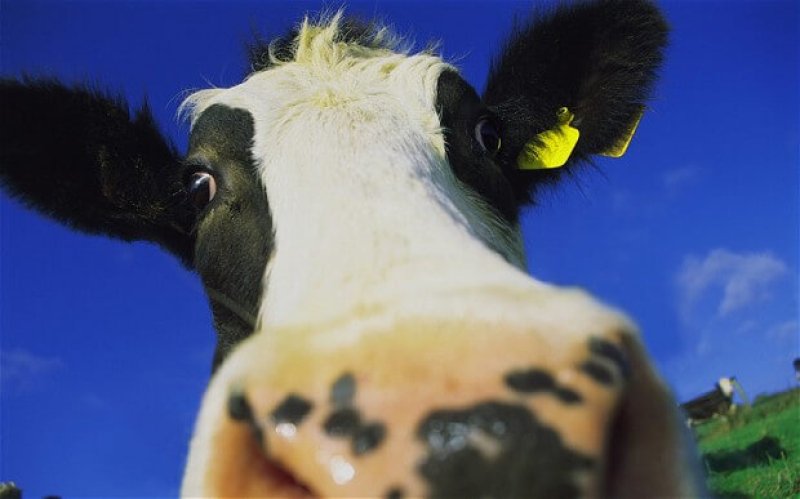
freisan cow b

How society regards the use of genetic modification and genome editing can have a significant influence on how these technologies are regulated by authorities and on the pace of technological advancement. In a review published in the Journal of Dairy Science authors from the Swedish University of Agricultural Sciences discuss potential applications of genetic modification and genome editing of cattle for food production, considering both the breeding program and its ethical aspects.

In their study, three geneticists and one ethicist focused on two potential applications within cattle; namely, genome editing to create dairy cows without horns (“polled” dairy cows) and genetic modification to improve udder health. Both approaches could be seen as beneficial for animal welfare, but in the former case, a genetic variant already present within the species is introduced, whereas in the latter case, a gene not found in cattle is inserted into the bovine genome.

Potential drawbacks include unexpected abnormalities in embryos or calves that arise from the use of advanced reproduction techniques in the gene editing and genetic modification procedures. Ethical questions also exist regarding the “naturalness” of either method, maintenance of the bovine genome, and respect for the cow’s life and well-being. Addressing these issues will help shape public perceptions and advance the science of genetic modification and genome editing.

Read full, original post: Genetic modification and genome editing rely on active roles for researchers and industry

{{ reviewsTotal }}{{ options.labels.singularReviewCountLabel }}
{{ reviewsTotal }}{{ options.labels.pluralReviewCountLabel }}
{{ options.labels.newReviewButton }}
{{ userData.canReview.message }}

Related Articles

Infographic: Global regulatory and health research agencies on whether glyphosate causes cancer

Infographic: Global regulatory and health research agencies on whether glyphosate causes cancer

Does glyphosate—the world's most heavily-used herbicide—pose serious harm to humans? Is it carcinogenic? Those issues are of both legal and ...

Most Popular

Screenshot-2026-06-08-at-10.19.30-AM
‘Natural’ wellness supplements linked to liver injury
ChatGPT-Image-May-28-2026-12_56_54-PM
Viewpoint: Vaccines' non-specific effects? The ‘shoddy’ Danish couple whose 'research’ inspires RFK, Jr.’s health delusion
Credit: ACSH
Viewpoint: Who and what’s to blame for the surge in vaccine-preventable diseases?
Screenshot 2025-08-25 203032
Mazzenga’s 20-year old muscles: How a still-going-strong 92-year old sprinter wins every race she enters
Screenshot-2026-06-05-at-2.12.30-PM
Some plants can poison you. So how did humans figure out what is safe to eat?
Screenshot 2025-07-30 at 10.48
Can gene editing eliminate Down syndrome? Scientists have done it in lab-grown cells
ChatGPT Image Jun 3, 2026, 03_14_43 PM
Viewpoint: How Earthjustice became the poster child for the abuse of special interest activist funding
ChatGPT-Image-Jun-9-2026-03_24_05-PM
Misinformed parents overdosing children with Vitamin A to fight measles
Screenshot-2026-06-08-at-11.05.51-AM
Can vaping lead to cancer? New ‘association study’ raises questions of “links"
Screen Shot at AM
Facts & Fallacies Podcast: Right-wing politics bad for your health? Separating speculation from science
ChatGPT-Image-Mar-10-2026-01_39_01-PM
Viewpoint—“Miracle molecule” debunked: Why acemannan supplements don’t work
Screenshot-2026-06-05-at-3.30.20-PM
Republican lawmakers spread misinformation claiming solar farms permanently destroy potato farms
glp menu logo outlined

Get news on human & agricultural genetics and biotechnology delivered to your inbox.