Viewpoint: Why ‘having a public conversation’ about gene editing could hinder advances

blog gfx GeneTher DNAdayHdr x
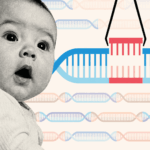
[I]t has become clear that [gene editing] technologies aren’t on the far-flung horizon; they’re at our front door. A recent article in the journal Science (full version paywalled) described how gene therapy techniques have already begun improving the lives of those with cancer and heritable genetic diseases, and what needs to happen next.

One of the most pressing concerns, and one that is unfortunately not unique to gene therapy and genetic modification technologies, is overcoming the ever-present calls for “having a conversation.” This phenomenon, which is unfortunately all-too-pervasive in the field of technology policy, can best be described thusly: A new technological advancement or scientific discovery will inevitably be met, first and foremost, by a call to have a conversation about its implications.

[T]houghtful, practical, and potentially actionable solutions to identifiable problems are no longer given priority treatment. Instead, abstract and non-actionable objectives aimed at achieving “broad societal consensus” or “consideration of the ethical implications” of technologies replace evidentiary analysis and targeted policy recommendations. All that remains in the wake of such calls is the never-ending conversation.

While the murky ethical questions of this technology necessitate consideration, we shouldn’t be tying the hands of regulators in developing standards for the safe and effective approval of therapies that could help ease the pain of Americans.

Read full, original post: The coming age of genetics is now coming-of-age

{{ reviewsTotal }}{{ options.labels.singularReviewCountLabel }}
{{ reviewsTotal }}{{ options.labels.pluralReviewCountLabel }}
{{ options.labels.newReviewButton }}
{{ userData.canReview.message }}

Related Articles

Infographic: Global regulatory and health research agencies on whether glyphosate causes cancer

Infographic: Global regulatory and health research agencies on whether glyphosate causes cancer

Does glyphosate—the world's most heavily-used herbicide—pose serious harm to humans? Is it carcinogenic? Those issues are of both legal and ...

Most Popular

ChatGPT-Image-Jun-11-2026-01_15_03-PM
Selective Pressure, Selective Silence
ChatGPT Image Jun 3, 2026, 03_54_37 PM
Viewpoint: “Turn on, tune in, drop out”—Kennedy embraces the Timothy Leary psychedelic revolution
Screenshot 2026-05-26 at 10.15
Viewpoint: Double standard—Why does the wellness industry get a free pass while Big Healthcare is treated as morally suspect?
Screenshot-2026-06-11-at-3.40.06-PM
'Toxin' detox: A gastroenterologist weighs in on $71 billion health trend
Screenshot-2026-06-11-at-4.00.17-PM
Gen Z burned by sunscreen misinformation and tanning myths
Screenshot-2026-06-05-at-1.44.09-PM
Viewpoint: Scientists have scrapped the worst-case climate scenario. Is that proof that climate change is a hoax, as Trump claims?
Screenshot-2026-06-05-at-2.12.30-PM
Some plants can poison you. So how did humans figure out what is safe to eat?
Screenshot-2026-06-03-at-3.33.44-PM
Viewpoint: Vaccine deniers are attacking a life-saving Vitamin K shot for newborns that isn’t even a vaccine
ChatGPT-Image-Jun-11-2026-10_34_44-AM-2
Will hi-tech genetic fortune-telling really help parents make healthier children?
Screenshot-2026-06-08-at-1.35.30-PM
Viewpoint: Social media and fake natural health propaganda fuel surge in use of mostly useless supplements
ChatGPT-Image-Jun-10-2026-12_57_24-PM
Viewpoint: Why gene-editing babies is moral and certain to happen
ChatGPT Image Jun 3, 2026, 03_14_43 PM
Viewpoint: How Earthjustice became the poster child for the abuse of special interest activist funding
Credit: ACSH
Viewpoint: Who and what’s to blame for the surge in vaccine-preventable diseases?
glp menu logo outlined

Get news on human & agricultural genetics and biotechnology delivered to your inbox.