EU approves total ban on neonicotinoid insecticides due to bee health concerns

image x
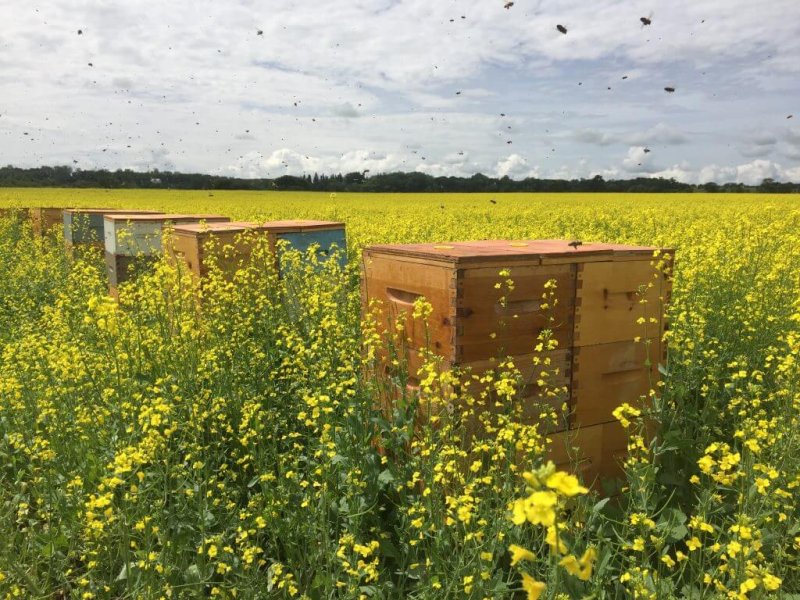
Image source: Steppler Farms

The European Union will ban the world’s most widely used insecticides from all fields due to the serious danger they pose to bees.

The ban on neonicotinoids, approved by member nations on Friday [April 27], is expected to come into force by the end of 2018 and will mean they can only be used in closed greenhouses.

Bees and other insects are vital for global food production as they pollinate three-quarters of all crops. The plummeting numbers of pollinators in recent years has been blamed, in part, on the widespread use of pesticides. The EU banned the use of neonicotinoids on flowering crops that attract bees, such as oil seed rape, in 2013.
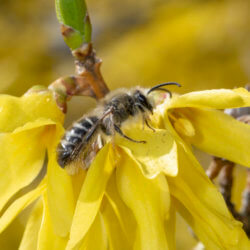
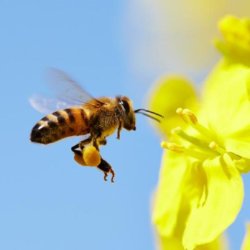
But in February, a major report from the European Union’s scientific risk assessors(Efsa) concluded that the high risk to both honeybees and wild bees resulted from any outdoor use, because the pesticides contaminate soil and water. This leads to the pesticides appearing in wildflowers or succeeding crops. A recent study of honey samples revealed global contamination by neonicotinoids.

Read full, original post: EU agrees total ban on bee-harming pesticides

Related Articles

Infographic: Global regulatory and health research agencies on whether glyphosate causes cancer

Infographic: Global regulatory and health research agencies on whether glyphosate causes cancer

Does glyphosate—the world's most heavily-used herbicide—pose serious harm to humans? Is it carcinogenic? Those issues are of both legal and ...

Most Popular

Strawberry Clamshell with Warning Sticker
Viewpoint: Activists hype ‘dangerous level’ of pesticide residues in Driscoll berries: Separating health concerns from fear-mongering
ChatGPT-Image-Mar-10-2026-01_39_01-PM
Viewpoint—“Miracle molecule” debunked: Why acemannan supplements don’t work
Diet Soda with Measuring Tape 2
Science challenges anti-soda activists: No, sodas won’t make you fat
Author-Presenting-Good-Energy
'Disillusioned': Controversial RFK Jr. ally and MAHA leader Calley Means quits Trump advisory role
Silhouettes Beneath the Mosquito Nets
Guinea-Bissau halts widely condemned RFK Jr.-backed vaccine trial that would have withheld life-saving vaccines from thousands of newborns
Rustic Skillet of Raw Brains
‘Weird food’? Testicle- and brain-eating, supplement-gulping MAHA health food enthusiasts defend their ‘natural’ diets
Generations United for Immunization
Police raid Guinea-Bissau offices of RFK Jr.-backed vaccine researchers, seize hepatitis B doses
Screenshot 2026-10-16 at 5.38
PFAS in Agriculture: Science, Uncertainty, and Risk Communication
Prescription Capsules Scattered on Twenty-Dollar Bills
Facts & Fallacies podcast: America's health care system is broken. A doctor explains how to fix it, Part 2
png_cheese_Raw_milk
100% raw milk, 100% misguided: As MAHA-fueled demand for unpasteurized milk soars, American Academy of Pediatrics renews call for a ban on its sale and distribution
Magnifying Glass Highlights NIH Logo
Latest Trump administration proposal to change NIH research grant system draws scientists’ ire
Golden-GM-Emblem-with-EU-Stars
As Europe inches forward in its embrace of gene-edited crops, hopes abound that opposition to GMOs might fade
Vibrant Social Media Confetti Explosion
Health misinformation minefield: Countering online deluge by copying its style
Nutrition and Supplements Infinity Collage
Drugs and supplements can extend life and five other longevity myths
glp menu logo outlined

Get news on human & agricultural genetics and biotechnology delivered to your inbox.