EPA proposes herbicide tiafenacil as ‘low-risk’ alternative to control glyphosate-tolerant weeds

AR
Credit: Associated Press

EPA proposes tiafenacil for pre-plant and pre-emergence burndown use in corn (all types except sweet corn), cotton, soybeans and wheat. Proposed post-emergence uses include directed burndown in grapes, burndown in fallow and non-crop areas, and as a crop desiccant in cotton. There are no residential uses for tiafenacil proposed in this decision.

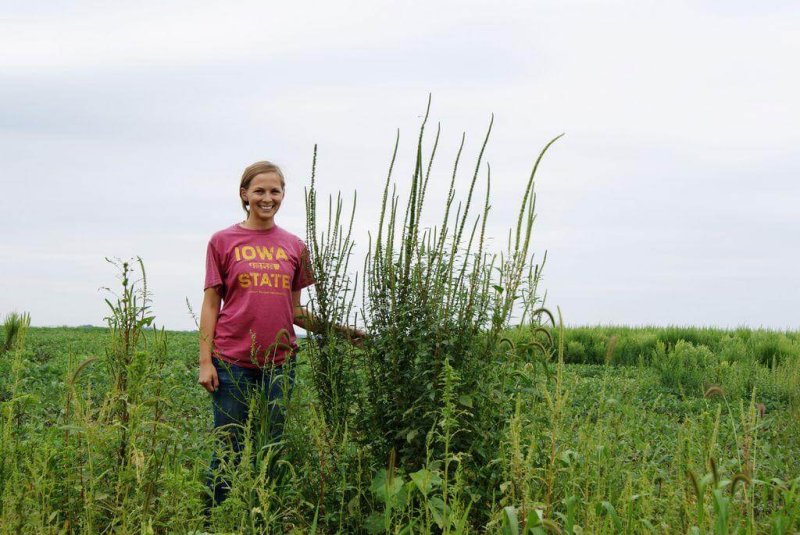
Tiafenacil is expected to be useful for herbicide-resistance management. It provides an alternative for controlling glyphosate-resistant Palmer amaranth in cotton, suppressing glyphosate-resistant marestail in corn and soybeans, and controlling waterhemp in corn and soybean.

The need for additional tools such as tiafenacil to manage these resistant weeds is growing, as herbicide resistance presents a significant financial, production and pest management issue for growers throughout the nation.

EPA assessed tiafenacil for registration on soybean, corn and cotton as a workshare with Canada’s Pesticide Management Regulatory Agency (PMRA), with both agencies conducting separate assessments and then sharing results.

The database for tiafenacil indicates the chemical is generally low risk to non-target organisms other than plants, so most mitigation measures deal with avoiding contact with non-target plants. No other substantial risk mitigation was deemed necessary for the proposed uses.

EPA has not identified any dietary, residential, aggregate or occupational risks of concern for human health; therefore, no mitigation is being proposed.

Tiafenacil is proposed to be registered as one technical product and two end-use products.

Read the original post

{{ reviewsTotal }}{{ options.labels.singularReviewCountLabel }}
{{ reviewsTotal }}{{ options.labels.pluralReviewCountLabel }}
{{ options.labels.newReviewButton }}
{{ userData.canReview.message }}

Related Articles

Infographic: Global regulatory and health research agencies on whether glyphosate causes cancer

Infographic: Global regulatory and health research agencies on whether glyphosate causes cancer

Does glyphosate—the world's most heavily-used herbicide—pose serious harm to humans? Is it carcinogenic? Those issues are of both legal and ...

Most Popular

Screenshot 2025-08-25 203032
Mazzenga’s 20-year old muscles: How a still-going-strong 92-year old sprinter wins every race she enters
Screenshot-2026-06-08-at-10.19.30-AM
‘Natural’ wellness supplements linked to liver injury
Screen Shot at AM
Facts & Fallacies Podcast: Right-wing politics bad for your health? Separating speculation from science
Screenshot-2026-06-05-at-2.12.30-PM
Some plants can poison you. So how did humans figure out what is safe to eat?
ChatGPT-Image-May-28-2026-12_56_54-PM
Viewpoint: Vaccines' non-specific effects? The ‘shoddy’ Danish couple whose 'research’ inspires RFK, Jr.’s health delusion
Screenshot-2026-06-05-at-1.44.09-PM
Viewpoint: Scientists have scrapped the worst-case climate scenario. Is that proof that climate change is a hoax, as Trump claims?
Credit: ACSH
Viewpoint: Who and what’s to blame for the surge in vaccine-preventable diseases?
ChatGPT-Image-Jun-9-2026-03_24_05-PM
Misinformed parents overdosing children with Vitamin A to fight measles
Screenshot 2025-07-30 at 10.48
Can gene editing eliminate Down syndrome? Scientists have done it in lab-grown cells
ChatGPT-Image-Jun-9-2026-11_54_59-AM
Why weight-loss drugs might be reducing cancer rates and making treatment more effective
ChatGPT-Image-Mar-10-2026-01_39_01-PM
Viewpoint—“Miracle molecule” debunked: Why acemannan supplements don’t work
ChatGPT-Image-Jun-9-2026-12_30_14-PM
The ‘low-quality’, retracted studies RFK, Jr. and MAHA rely on for anti-vaccine claims
glp menu logo outlined

Get news on human & agricultural genetics and biotechnology delivered to your inbox.