
Stem cell transplants show promise as possible AIDS cure

c d a dfa b
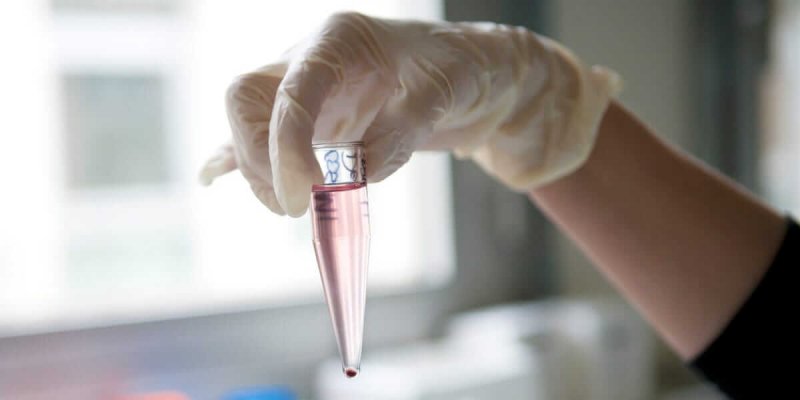
[A study] demonstrated a successful stem cell transplantation from donors harboring an HIV-resistant gene. Blood taken from the patient revealed an absence of no active viral infection 30 months following cessation of antiviral therapy.

The case report published in The Lancet HIV Journal effectively demonstrated the second person documented to have been cured to HIV. Crucially, although no active viral species remained in the patient’s blood, there was evidence of integrated HIV-1 DNA in the tissue sample.

The primary success of this study is the demonstration of the complete absence of HIV-1 replication in samples of multiple bodily fluids including cerebrospinal, blood, intestinal, semen, and lymphoid tissue. The remnants of integrated HIV-1 are regarded as ‘fossils.

Although promising, the treatment is high-risk. This places this treatment as a viable offer for patients only suffering from hematological malignancies as a last resort.

This study also represents the use of CCR5 gene editing as a curative therapy outside of gene editing. Although promising the scalability of CCR5 gene editing is limited – following technical and ethical barriers associated with its use.

Mis- and disinformation are distorting science and public policy. Subscribe to our Daily and Weekly Digests for incisive coverage of ‘disruptive’ innovations in AI, agricultural biotechnology, food, chemicals, nuclear energy, vaccines, and other disruptive innovations.

As the London patient is only the second case study at present, Gupta et al. caution that several barriers remain to be overcome. These include the robustness of safety data and the efficiency of gene editing techniques used in the process.


Read the original post

Related Articles

Infographic: Global regulatory and health research agencies on whether glyphosate causes cancer

Infographic: Global regulatory and health research agencies on whether glyphosate causes cancer

Does glyphosate—the world's most heavily-used herbicide—pose serious harm to humans? Is it carcinogenic? Those issues are of both legal and ...

Most Popular

Screenshot-2026-11-16-at-2.37.32-PM
30 years of GMO farming: Is the boom in glyphosate and glufosinate use harming the environment? Data show they’re the most sustainable choice
ChatGPT-Image-Mar-10-2026-01_39_01-PM
Viewpoint—“Miracle molecule” debunked: Why acemannan supplements don’t work
Soybean Harvest in Cupped Hands
30 years of GMO farming: Defying cynics, we’ve had larger harvests, lower costs, and $385 billion in added global farmer income
Stormlit Portrait Over Golden Mountains
Searching for life where no one thought to look: A renowned astrophysicist’s seemingly quixotic quest to explore Venus’s clouds
Screenshot-2026-11-19-at-7.23.23-PM
Viewpoint: After a yearlong hiatus, the U.S. Preventive Services Task Force is back in business—gutted by RFK Jr. and promoting junk science
Screenshot-2026-11-19-at-7.54.57-PM
European General Court sides with scientists, dismisses activist claims that glyphosate is toxically dangerous
Nurturing Care Beneath the Crunchy Moms Logo
Crunchy Moms disinformation flood: Zuckerberg's Facebook has opened floodgates on measles and vaccines
glp menu logo outlined

Get news on human & agricultural genetics and biotechnology delivered to your inbox.










