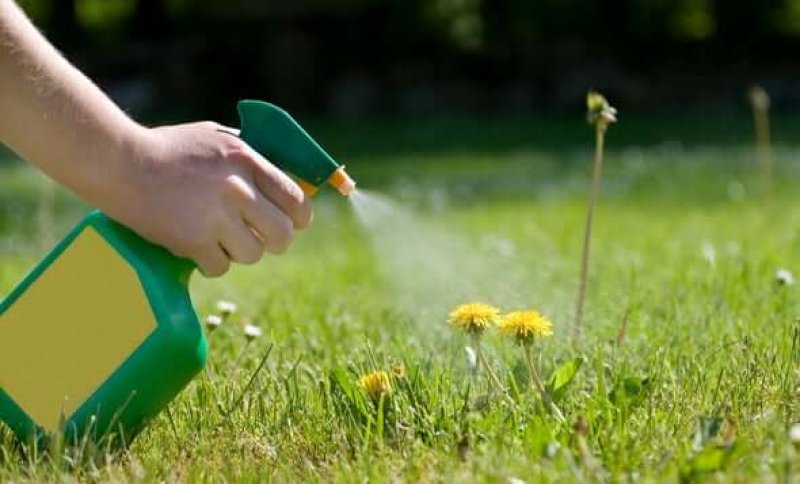
Non-farming glyphosate weedkiller uses likely harm endangered species, EPA finds

f c b fd df d source
Credit: Getty Images

More than 90% of endangered species are “likely to be adversely affected” by use of glyphosate, but mostly through non-agricultural uses, the Environmental Protection Agency concluded in a draft biological evaluation of the impacts of the herbicide released [Nov 25].

The evaluation was conducted to comply with the Endangered Species Act, which prohibits federal agencies from engaging in actions likely to “jeopardize the continued existence” of threatened or endangered species. EPA is asking for public comments on the evaluation for 60 days.

Follow the latest news and policy debates on sustainable agriculture, biomedicine, and other ‘disruptive’ innovations. Subscribe to our newsletter.

Once EPA analyzes the comments it receives, it will issue a final BE determining whether use of glyphosate …. “may affect” ESA-listed listed species or their critical habitats. If so, it will have to consult with the Fish and Wildlife Service and National Marine Fisheries, which will prepare their own evaluations identifying ways to ameliorate those impacts, including possible restrictions.

Of 1,795 species it looked at, EPA said it found 1,676, or 93%, were likely to be adversely affected by glyphosate applications. More than half of those (940) are plants.

“The majority of the moderate evidence designations were based on non-agricultural uses being the main risk drivers and the lack of availability and uncertainty in usage data associated with these use sites,” EPA said in its evaluation.

“Important non-agricultural uses include applications for noxious and invasive weed control in aquatic systems, pastures/rangelands, public lands, forestry, and rights-of-way applications,” EPA said.


Read the original post

{{ reviewsTotal }}{{ options.labels.singularReviewCountLabel }}
{{ reviewsTotal }}{{ options.labels.pluralReviewCountLabel }}
{{ options.labels.newReviewButton }}
{{ userData.canReview.message }}

Related Articles

Infographic: Global regulatory and health research agencies on whether glyphosate causes cancer

Infographic: Global regulatory and health research agencies on whether glyphosate causes cancer

Does glyphosate—the world's most heavily-used herbicide—pose serious harm to humans? Is it carcinogenic? Those issues are of both legal and ...

Most Popular

d-b
Blocked arteries, kidney stones, nausea, constipation, fatigue: Long list of health problems caused by too much vitamin D 
Screenshot-PM-24
Viewpoint: The herbicide glyphosate isn’t perfect. Banning it would be far worse.
circular-bioeconomy-should-focus-on-sustainable-wellbeing
GLP podcast: What's wrong with 'doomsday' environmentalism? It's false.
Screenshot 2026-02-25 at 11.20
Why the herbicide glyphosate is key to sustainable agriculture
screen shot at pm
Word games: How Moderna is selling its newest vaccine without using the “v” word
ChatGPT-Image-Feb-16-2026-01_04_32-PM
Raw milk myth wake-up call
ChatGPT-Image-Apr-28-2026-12_46_14-PM-2
Kennedy has quietly stopped touting problematic raw milk. Health concerns aren’t why
ChatGPT-Image-Feb-16-2026-01_57_31-PM
Viewpoint: ‘Science-as-Satan’ unites the MAHA—MAGA movements. Is a breakup in the works?
ChatGPT-Image-Apr-22-2026-11_06_18-AM
Wellness influencer nonsense: No, nicotine does not boost cognition and productivity, but it can damage your health 
glp menu logo outlined

Get news on human & agricultural genetics and biotechnology delivered to your inbox.