“Today’s first ever approval of an animal biotechnology product for both food and as a potential source for biomedical use represents a tremendous milestone for scientific innovation,” said FDA Commissioner Stephen M. Hahn, M.D. “As part of our public health mission, the FDA strongly supports advancing innovative animal biotechnology products that are safe for animals, safe for people, and achieve their intended results. Today’s action underscores the success of the FDA in modernizing our scientific processes to optimize a risk-based approach that advances cutting-edge innovations in which consumers can have confidence.”
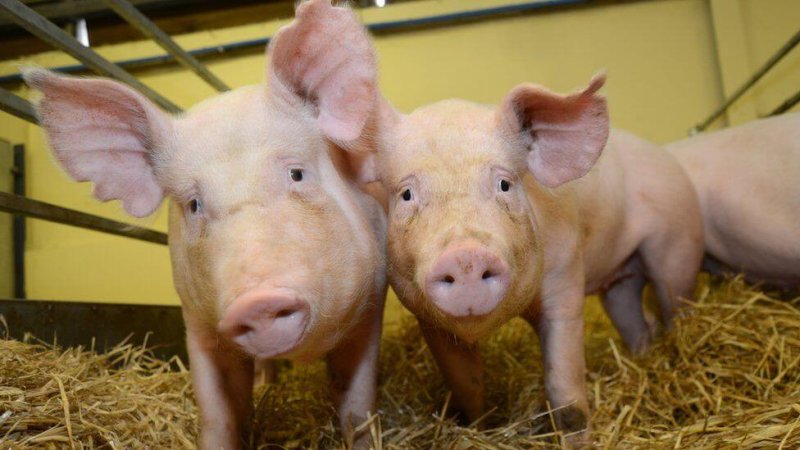
GalSafe pigs may potentially provide a source of porcine-based materials to produce human medical products that are free of detectable alpha-gal sugar. For example, GalSafe pigs could potentially be used as a source of medical products, such as the blood-thinning drug heparin, free of detectable alpha-gal sugar. Tissues and organs from GalSafe pigs could potentially address the issue of immune rejection in patients receiving xenotransplants, as alpha-gal sugar is believed to be a cause of rejection in patients.
As part of its review, the FDA evaluated the safety of the IGA for the animals and people eating meat from them, as well as the product developer’s intention to market the IGA for its ability to eliminate alpha-gal sugar on pigs’ cells. The FDA determined that food from GalSafe pigs is safe for the general population to eat. The FDA’s review also focused on ensuring the effectiveness of the IGA through the evaluation of data demonstrating that there is no detectable level of alpha-gal sugar across multiple generations of GalSafe pigs.
“The FDA is committed to continuing its close work with developers to facilitate safe advancements of animal biotechnology. Our Veterinary Innovation Program focuses on providing greater certainty in the regulatory process, encouraging development and research of innovative public health products, as well as supporting an efficient and predictable pathway to the approval of IGAs in animals,” said Steven M. Solomon, D.V.M., M.P.H., director of the FDA’s Center for Veterinary Medicine. “The developer of GalSafe pigs participated in this program, proving the impact of this important FDA initiative. We look forward to continued work with other developers to evaluate the safety and effectiveness of additional innovative animal biotechnology products.”
As part of its review, the FDA analyzed the potential impact that the approval of the IGA in GalSafe pigs would have on the U.S. environment and determined it is no greater than from conventional pigs. The conditions under which GalSafe pigs will be kept are far more stringent than those for conventionally farmed pigs. Additionally, no animal safety concerns were noted for GalSafe pigs beyond those that would be expected in well-managed, commercial swine operations.
The FDA also assessed the risk of the IGA to promote the emergence or selection of antimicrobial-resistant bacteria of human health concern in or on GalSafe pigs. The FDA concluded that the microbial food safety risk is low and is mitigated by the low number of GalSafe pigs entering the food supply and the ongoing surveillance for antimicrobial resistance, among other factors.

Because the product developer’s application to the FDA did not include data regarding elimination or prevention of food allergies, the FDA’s review process did not evaluate food safety specific to those with AGS, a recently identified type of food allergy to red meat and other products derived from mammals. In the U.S., the condition most often begins when a Lone Star tick bites someone and transmits alpha-gal sugar into the person’s body. In some people, this triggers an immune system reaction that later produces mild to severe allergic reactions to alpha-gal sugar found in red meat.
It’s important to note that these pigs have not been evaluated for use as xenotransplantation products for transplantation or implantation into human subjects. Developers of any such human medical products must first submit an application to, and obtain approval from, the FDA before these products can be used in human medicine.
The product developer indicated that it initially intends to sell meat from GalSafe pigs by mail order, rather than in supermarkets.
The FDA granted approval of the IGA in GalSafe pigs to Revivicor Inc.