What did Lucy and the Taung child look like? Early human ancestors get reconstructed faces

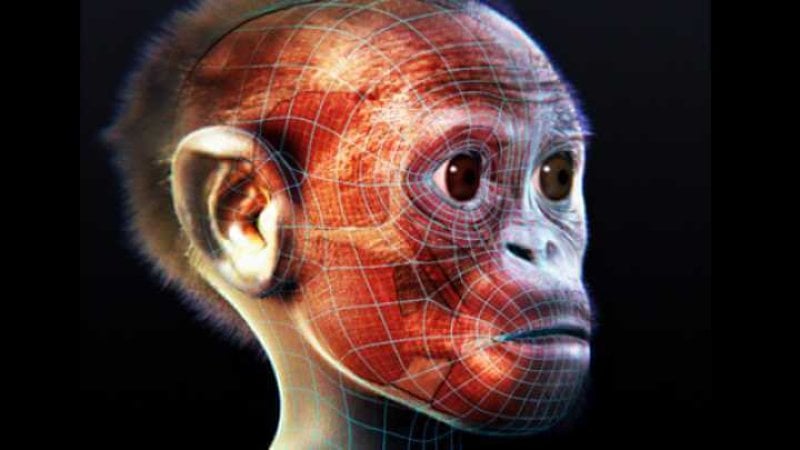
A previous reconstruction of the Taung child. Credit: Cicero Morales/Wikimedia

For the reconstructions of Lucy (Australopithecus afarensis), the oldest and most complete human ancestor when researchers discovered her 3.2 million-year-old remains in 1974, and the 2.8 million-year-old Taung child (Australopithecus africanus), who died at age 3 in what is now South Africa, researchers used pigmented silicone casts, with Lucy’s skin tone similar to that of a bonobo (Pan paniscus), while the Taung child’s features were more similar to modern humans native to South Africa, researchers wrote in a blog post.

These casts show just how complex reconstructions of early humans are. Other reconstructions of Lucy, the Taung child and other early humans were made by artists who made assumptions that aren’t testable with current science, including whether these ancient species looked more like apes or modern humans, and how their soft tissues, including their muscles and the thickness of their skin, appeared. These reconstructions are often found in natural history museums and are meant to educate the public about human evolution.

Follow the latest news and policy debates on sustainable agriculture, biomedicine, and other ‘disruptive’ innovations. Subscribe to our newsletter.

“I expected to find consistency in those reconstructions displayed in natural history museums, but the differences, even there, were so severe that I almost thought all previous practitioners had never encountered a single hominid reconstruction before commencing their own,” [said lead researcher Ryan Campbell.] 
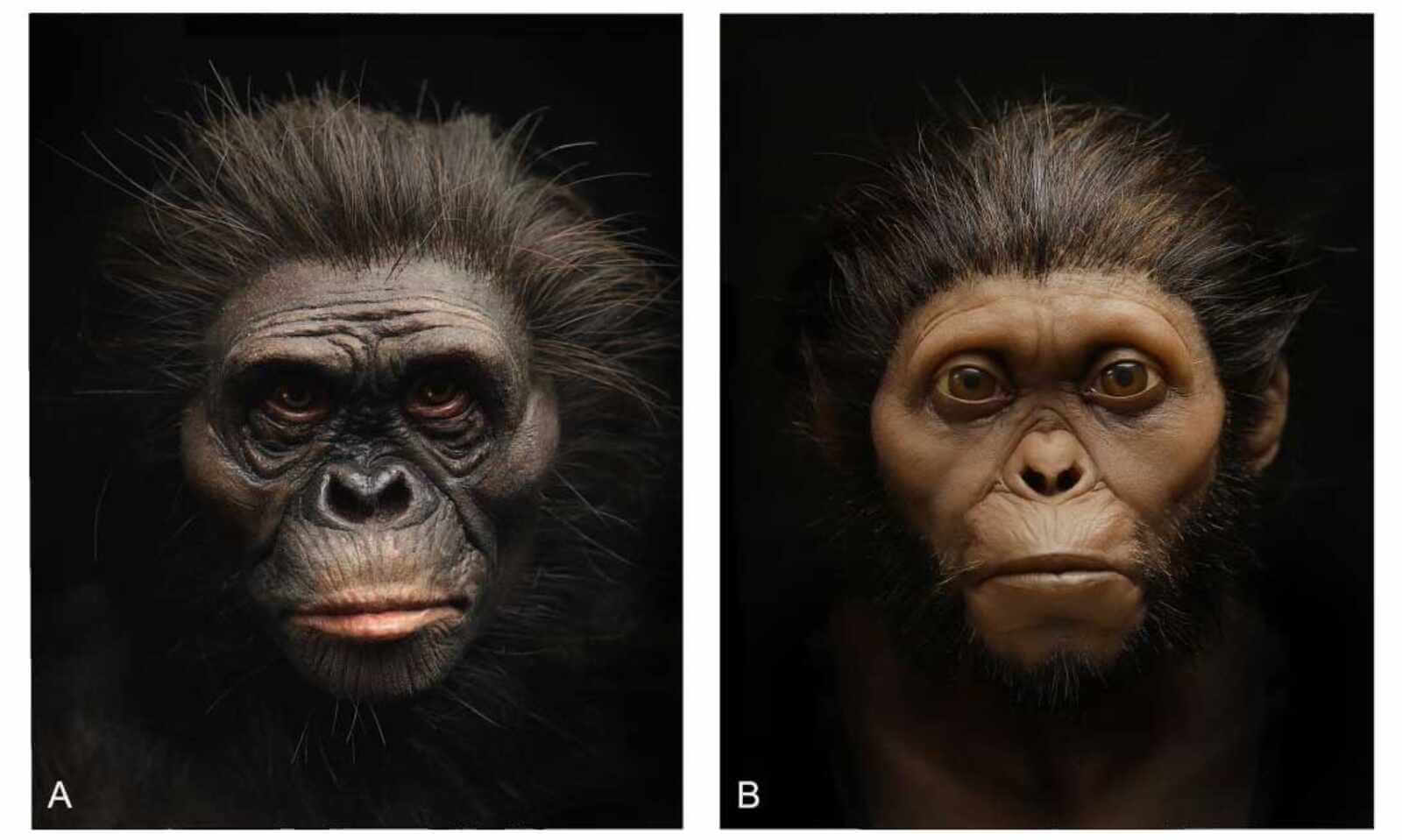
The new facial reconstructions, made from pigmented silicon casts, of Lucy (left) and the Taung child (right). Credit: R. Campbell, G. Vinas, M. Henneberg, R. Diogo

Read the original post

{{ reviewsTotal }}{{ options.labels.singularReviewCountLabel }}
{{ reviewsTotal }}{{ options.labels.pluralReviewCountLabel }}
{{ options.labels.newReviewButton }}
{{ userData.canReview.message }}

Related Articles

Infographic: Global regulatory and health research agencies on whether glyphosate causes cancer

Infographic: Global regulatory and health research agencies on whether glyphosate causes cancer

Does glyphosate—the world's most heavily-used herbicide—pose serious harm to humans? Is it carcinogenic? Those issues are of both legal and ...

Most Popular

ChatGPT-Image-Jun-19-2026-04_11_20-PM
Daubert for Dummies—Scientific Reliability in U.S. Courts: Daubert, Rule 702, and Made-for-Litigation Evidence
ChatGPT-Image-Jun-25-2026-01_14_50-PM
Viewpoint: Disinformation grift: The wellness industry is a lucrative and mostly worthless marketplace of ‘balms, brews, and baloney’
ChatGPT-Image-Jun-25-2026-12_23_17-PM
No, Bill Gates did not secretly engineer ticks to promote veganism
ChatGPT-Image-Mar-10-2026-01_39_01-PM
Viewpoint—“Miracle molecule” debunked: Why acemannan supplements don’t work
ChatGPT-Image-Jun-30-2026-01_09_47-PM
Viewpoint: As MAHA blows up over Supreme Court ruling limiting glyphosate litigation, Trump offers toothless plan to reduce pesticides in food
ChatGPT-Image-Jun-23-2026-12_19_35-PM
Ideological red flag: Led by anti-vax doctor, Tennessee is now the U.S. epicenter selling potent ivermectin shown worthless to prevent or treat Covid
Screenshot-2026-06-05-at-2.12.30-PM
Some plants can poison you. So how did humans figure out what is safe to eat?

Sorry. No data so far.

glp menu logo outlined

Get news on human & agricultural genetics and biotechnology delivered to your inbox.